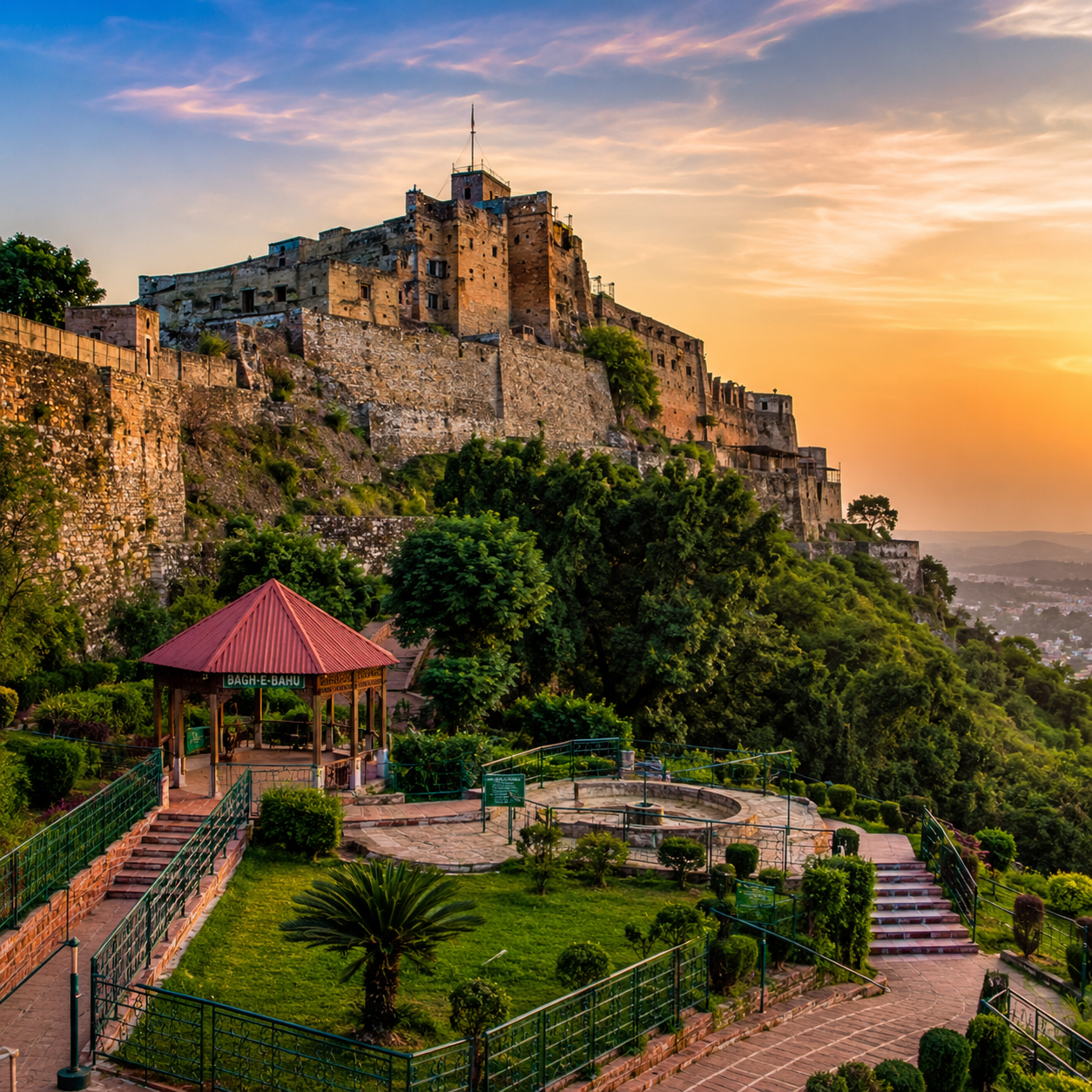
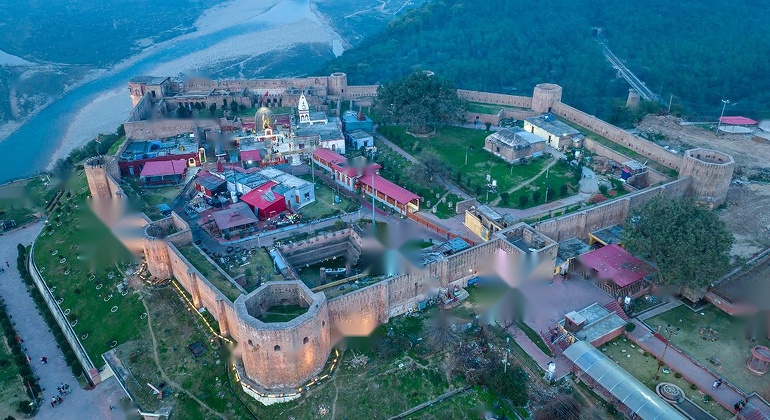
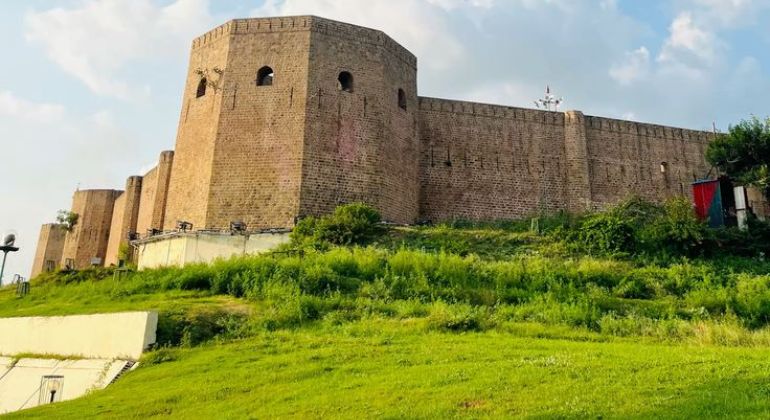
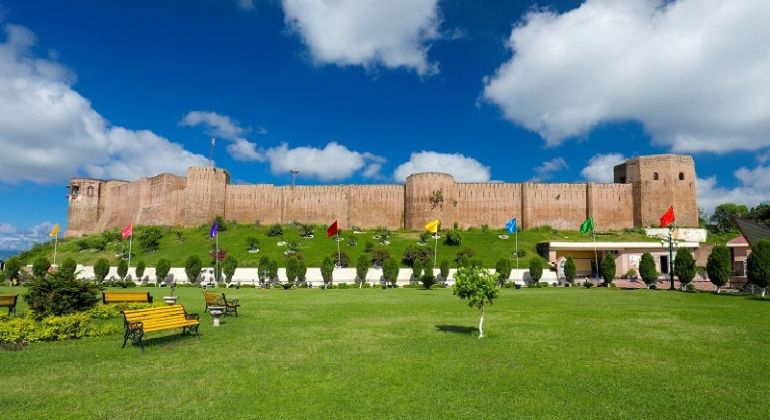
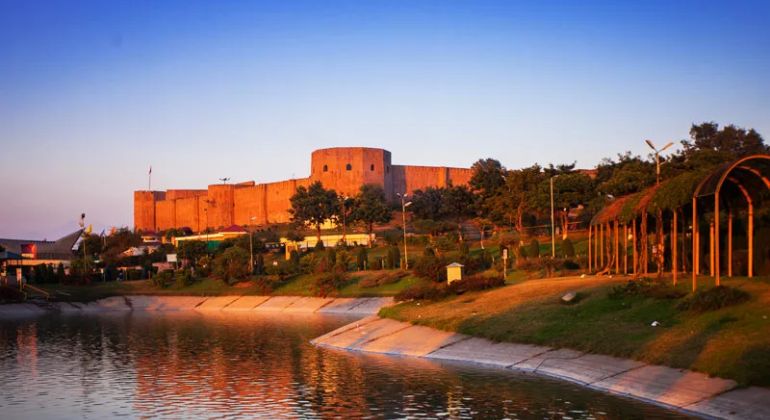
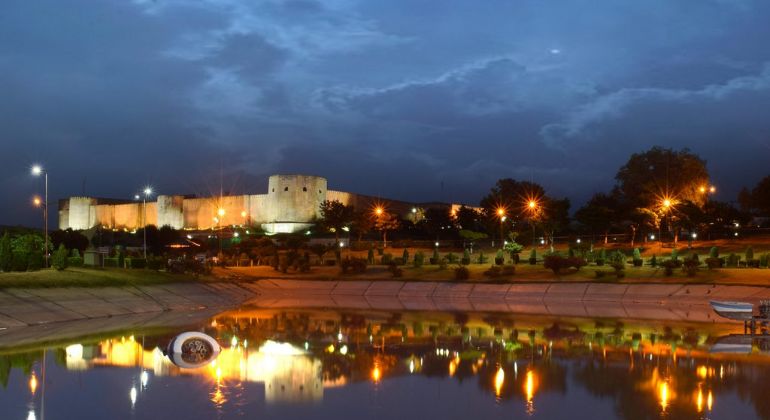
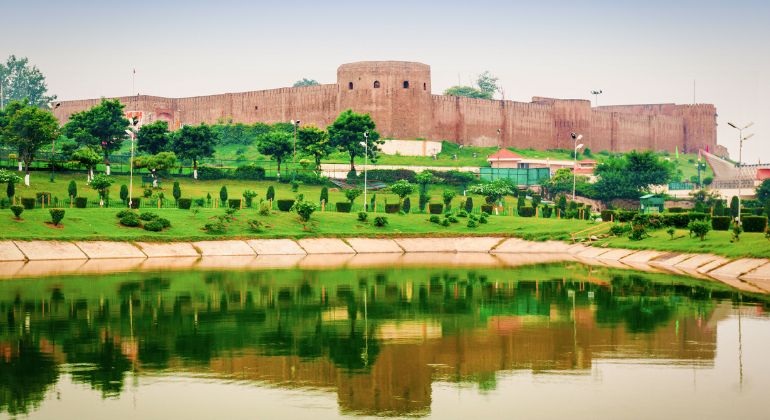
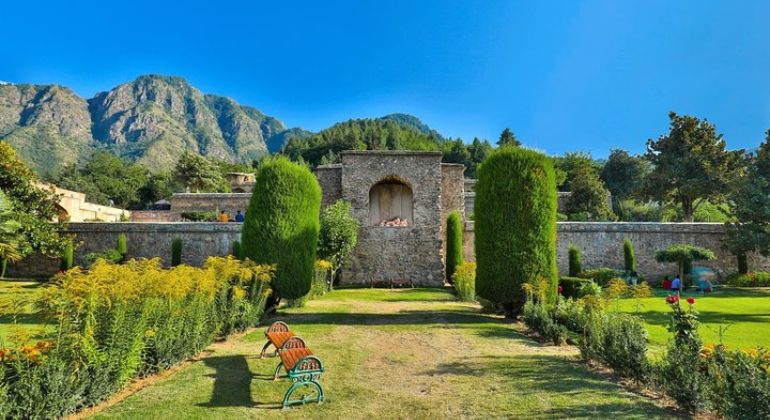
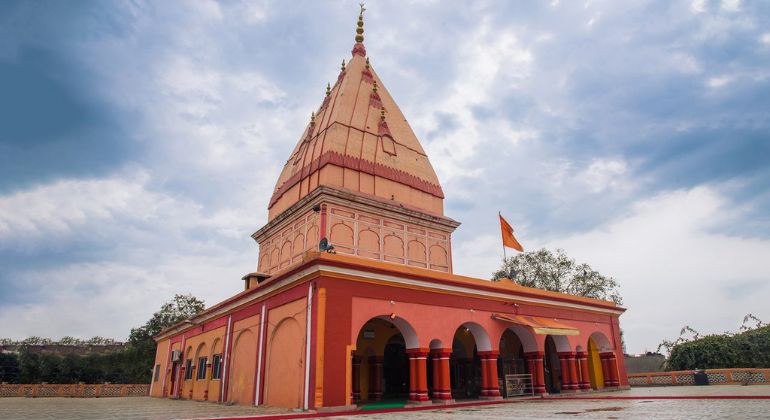
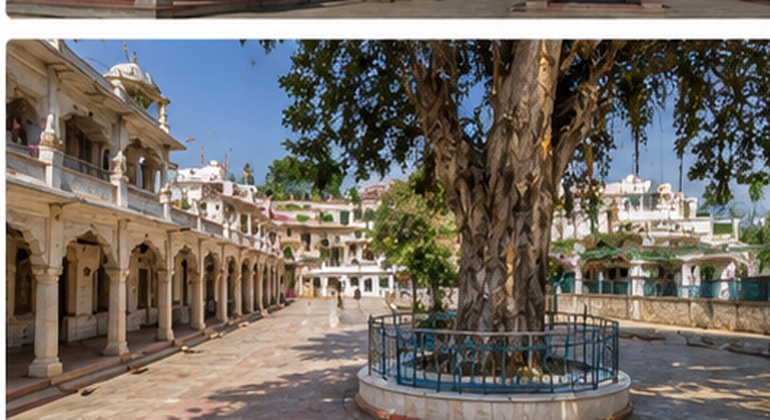
Perched on the left bank of the Tawi River, just 5 km from the heart of the city, Bahu Fort stands as one of the oldest and most striking landmarks in Jammu. Built over 3,000 years ago by Raja Bahulochan, the fort was later restored and expanded by the Dogra rulers, giving it the sturdy, well-preserved structure visitors see today. According to local legend, the founding of Jammu city itself is closely tied to the history of this fort.
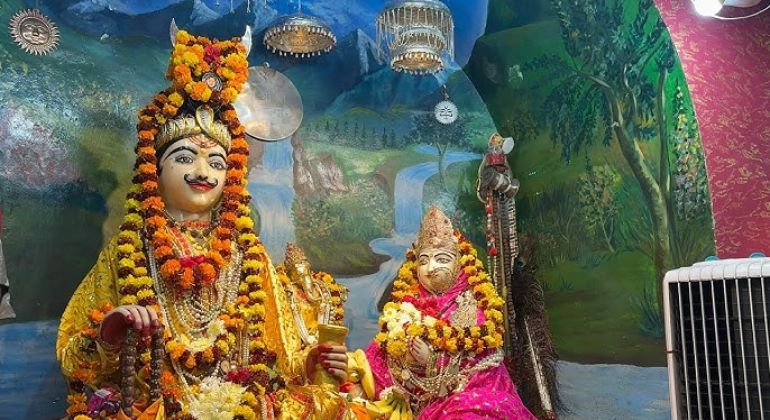
Within its walls lies a temple dedicated to Goddess Kali, worshipped here as a reincarnation of Goddess Parvati and revered as a symbol of maternal strength and protection. Locals affectionately know this shrine as the Bave Wali Mata Temple, and it remains a major point of pilgrimage and reverence for visitors to the fort complex.
Vaishno Devi Temple
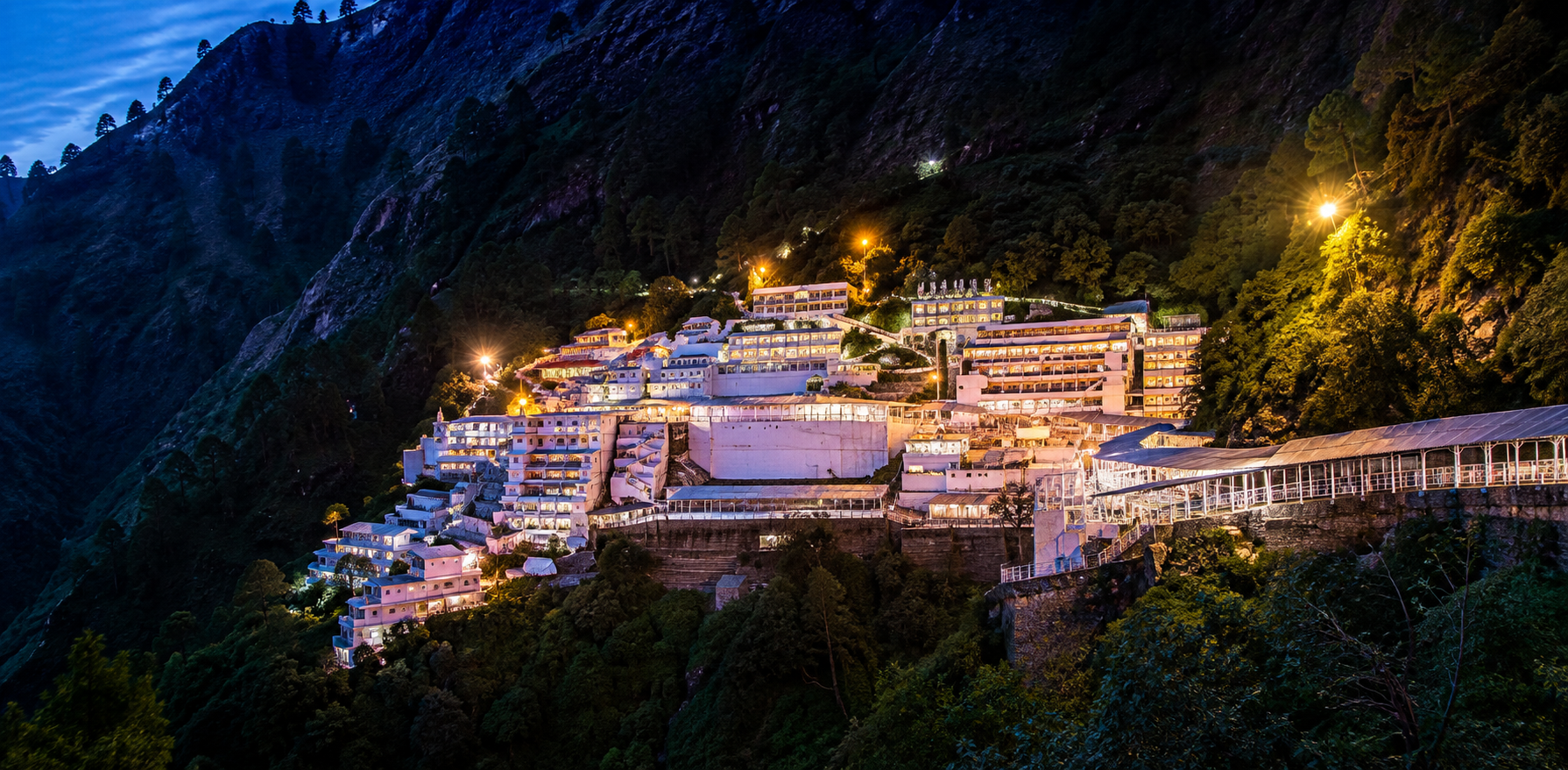
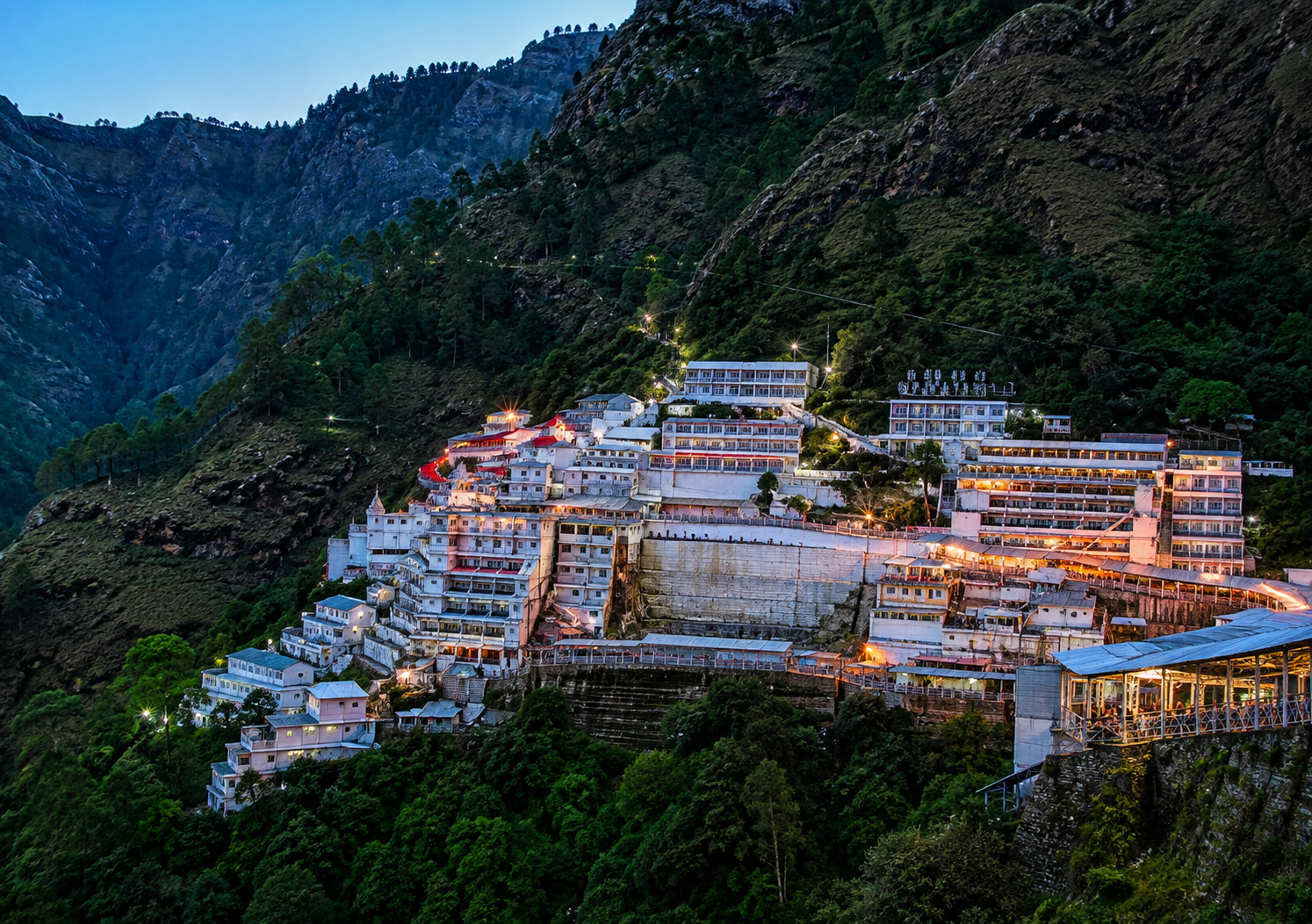
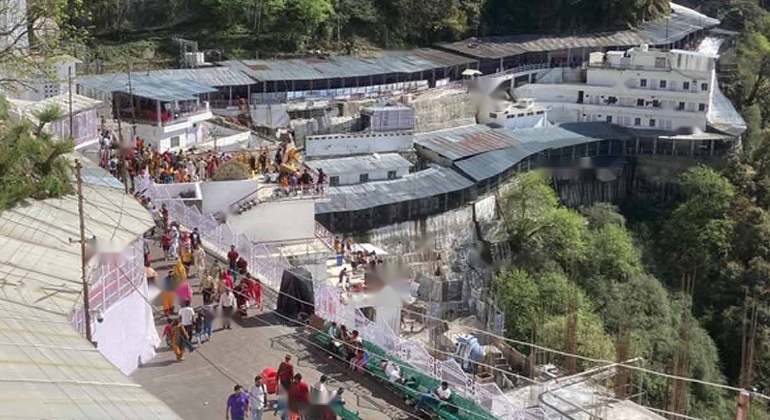
The Vaishno Devi Temple is one of India's most sacred pilgrimage sites, set inside a cave on the Trikuta mountain range at an elevation of around 5,300 feet, roughly 48 km from Jammu city. Every year, an estimated 8 million pilgrims make the journey here, making it the second most visited religious site in the country after the Tirumala Venkateswara Temple.
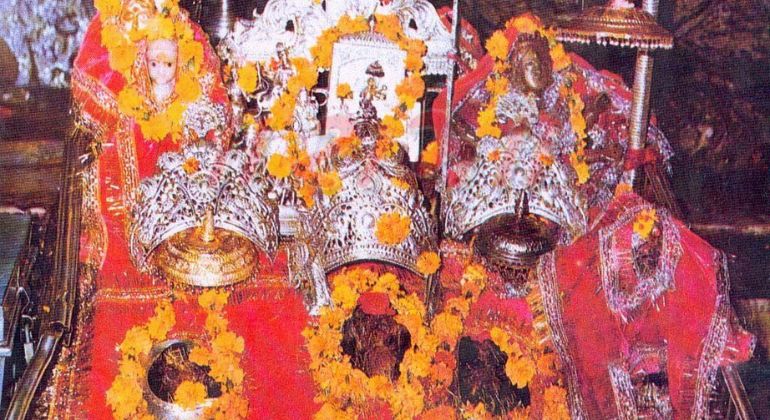
The sanctum houses the deity in the form of three naturally occurring rock formations known as Pindies, representing Goddess Saraswati, Kali, and Lakshmi — together symbolizing the creative, preserving, and transformative aspects of the Divine Mother. The climb to the temple winds through the scenic hills of the Trikuta range, offering pilgrims sweeping natural views alongside the spiritual experience of the yatra.
Raghunath Temple
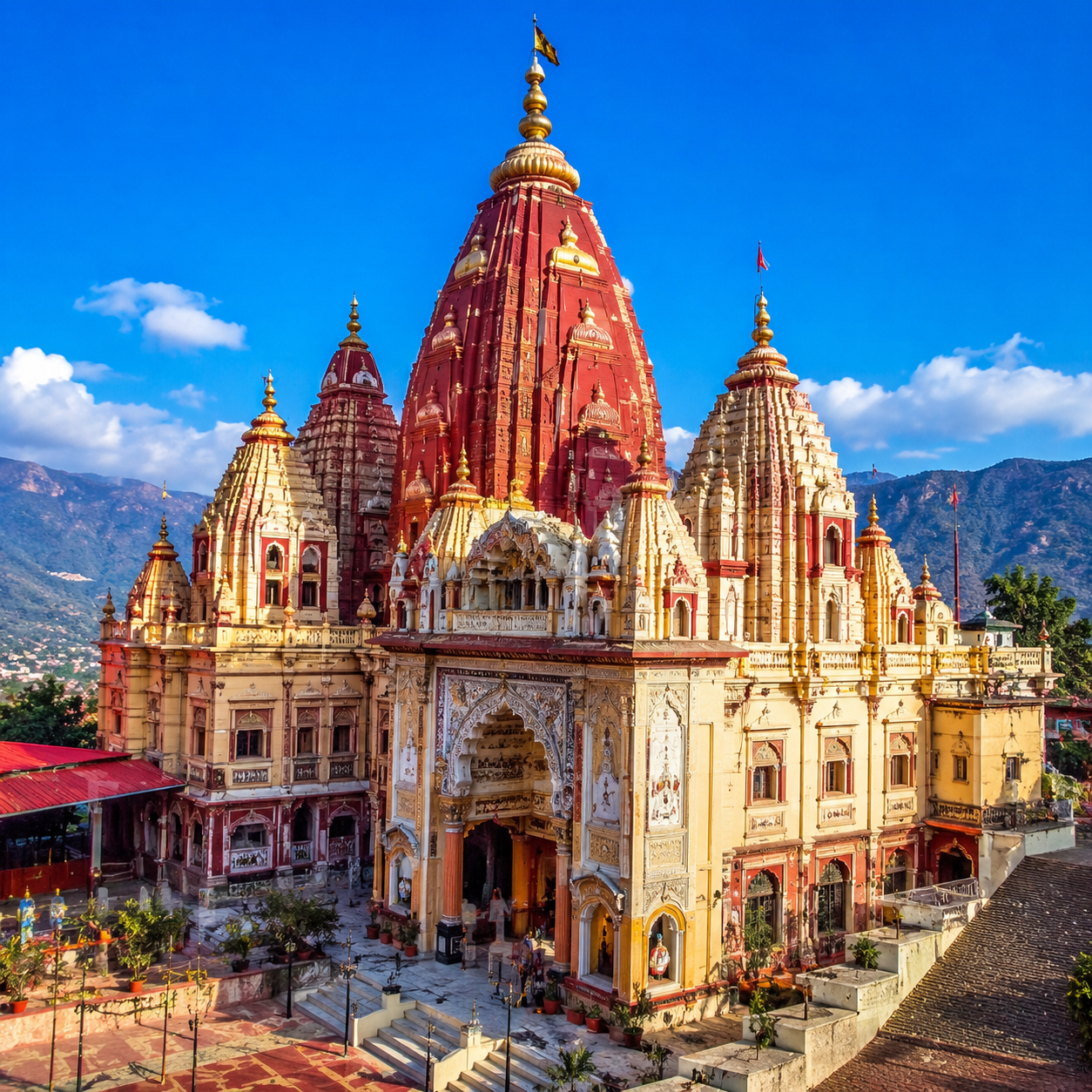
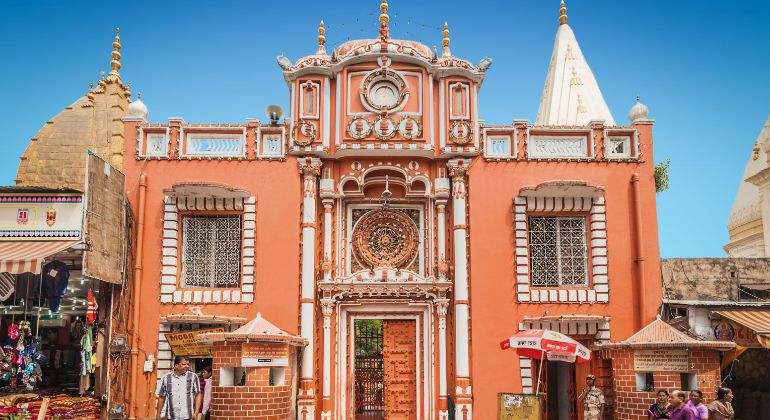
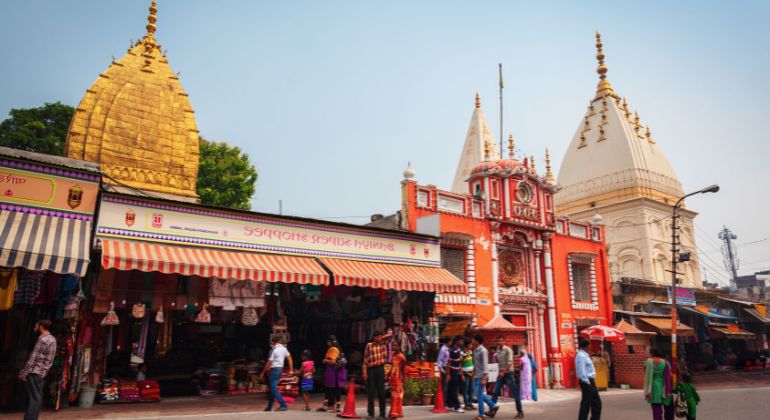
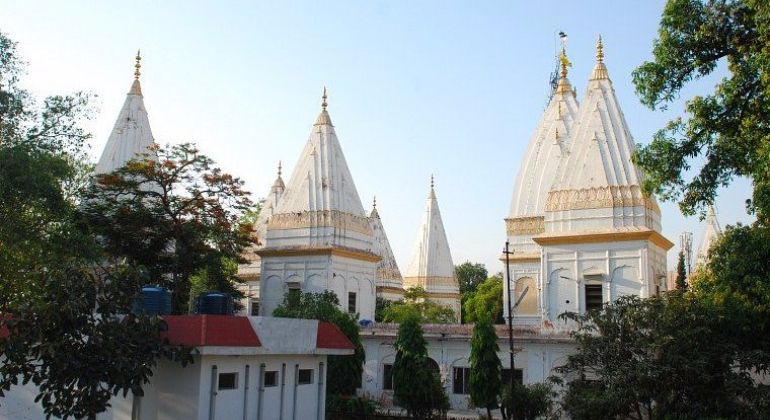
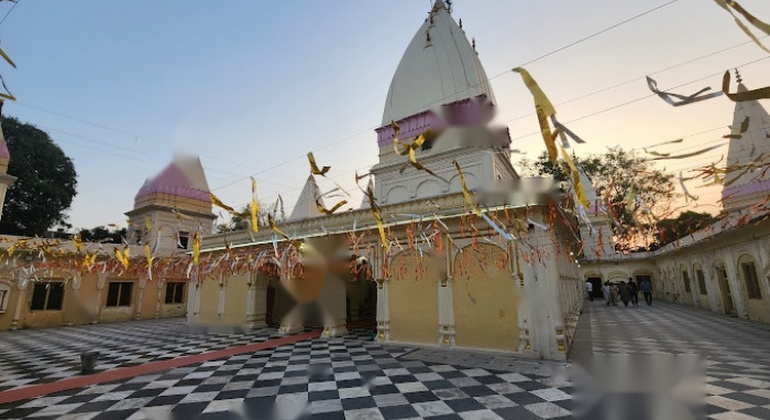
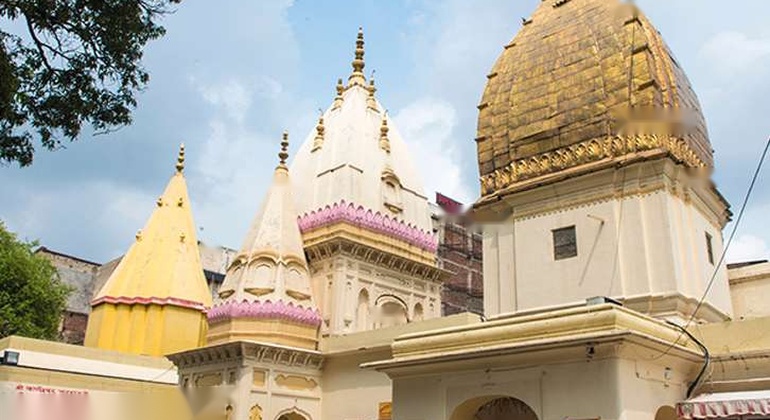
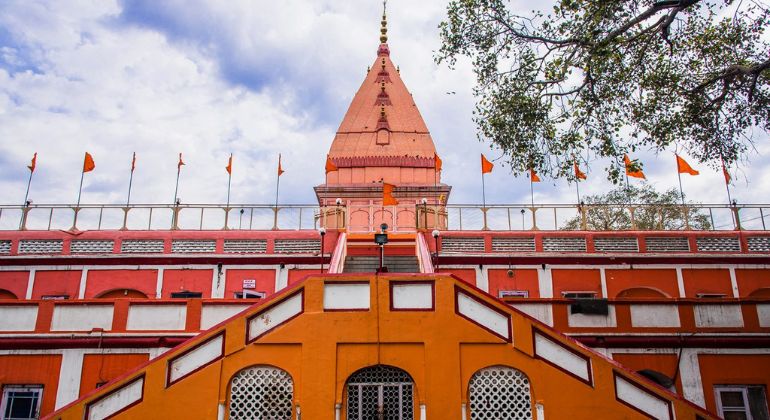
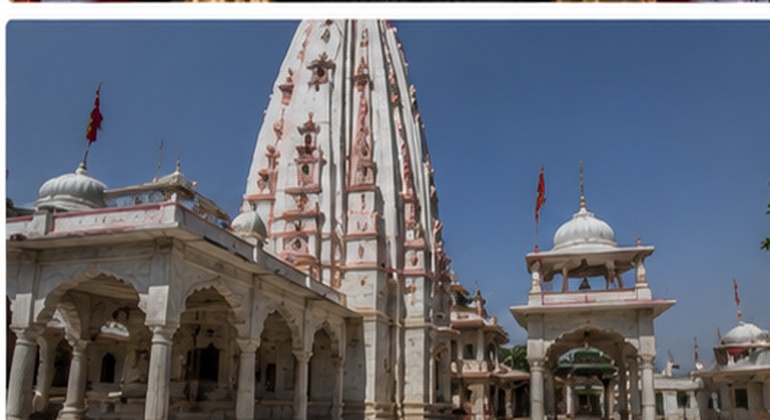
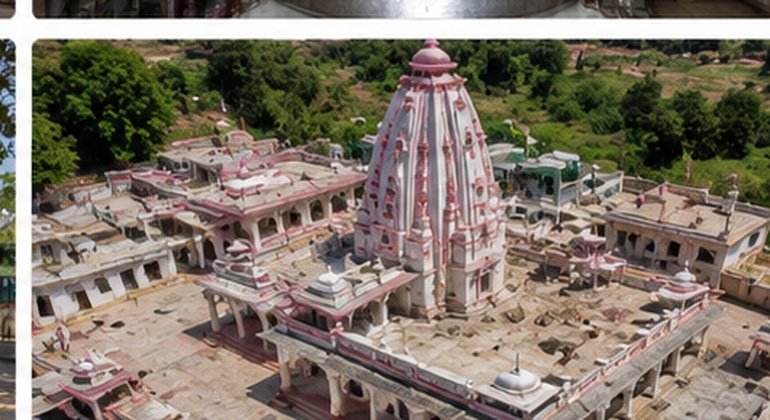
Located in the old quarter of Jammu, north of the Tawi River, the Raghunath Temple is one of the largest temple complexes in northern India and remains a hub of devotional activity throughout the year. Construction began under Maharaja Gulab Singh around 1822 and was completed roughly four decades later by his son, Maharaja Ranbir Singh.
The temple complex houses seven interconnected shrines, each topped with its own shikhara, or spire — giving the complex its distinctive skyline. While Lord Rama, the eighth avatar of Lord Vishnu, is the presiding deity, the temple honors numerous other gods and goddesses as well. Its architecture reflects a blend of styles, with clear Mughal influence in the main structure and a tower built in the Sikh architectural tradition. Three sides of the inner sanctum walls are plated in gold, and the complex includes a gallery displaying sacred Lingams and Saligrams, revered as manifestations of Lord Shiva.
Amar Mahal Palace
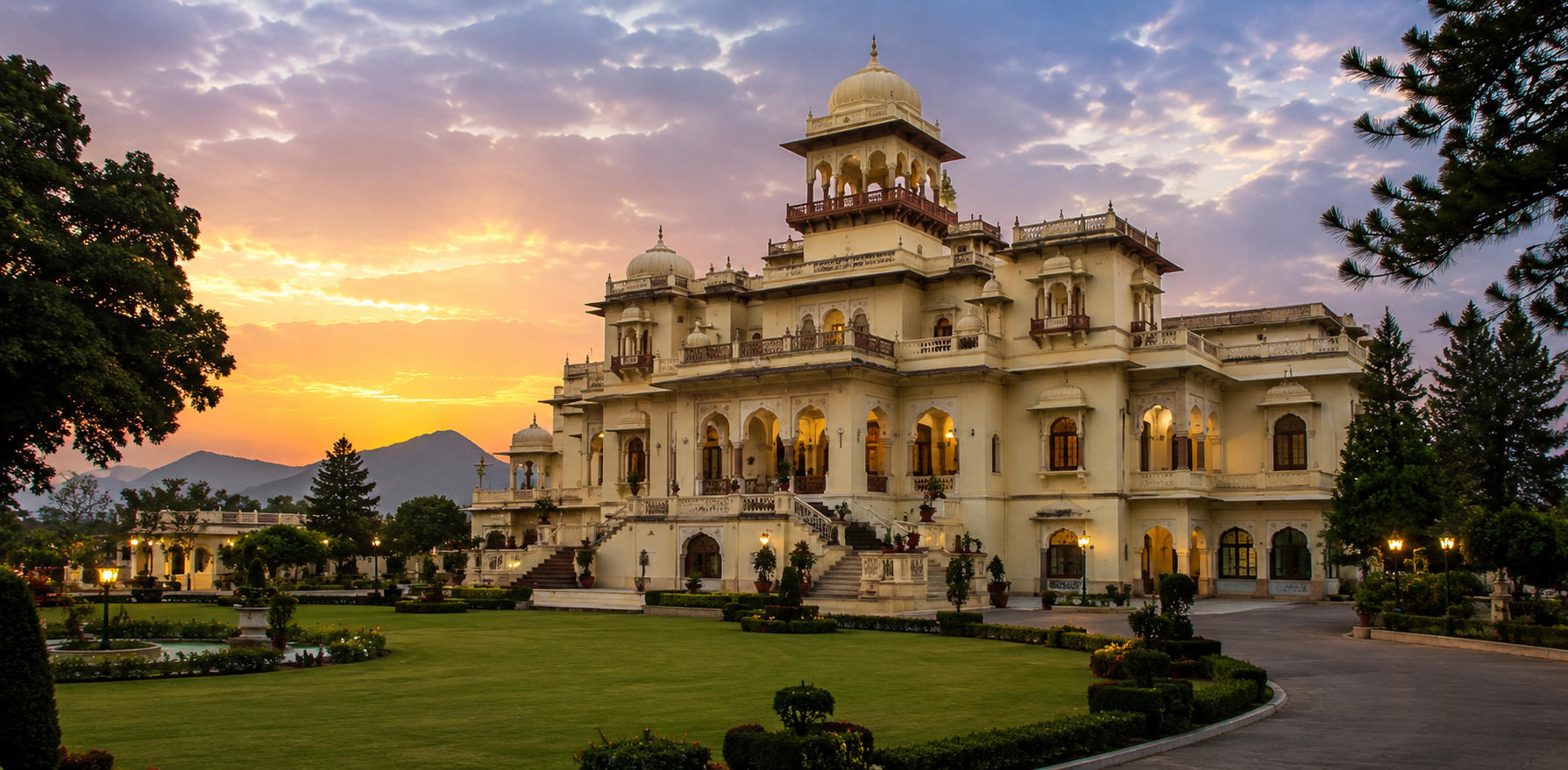
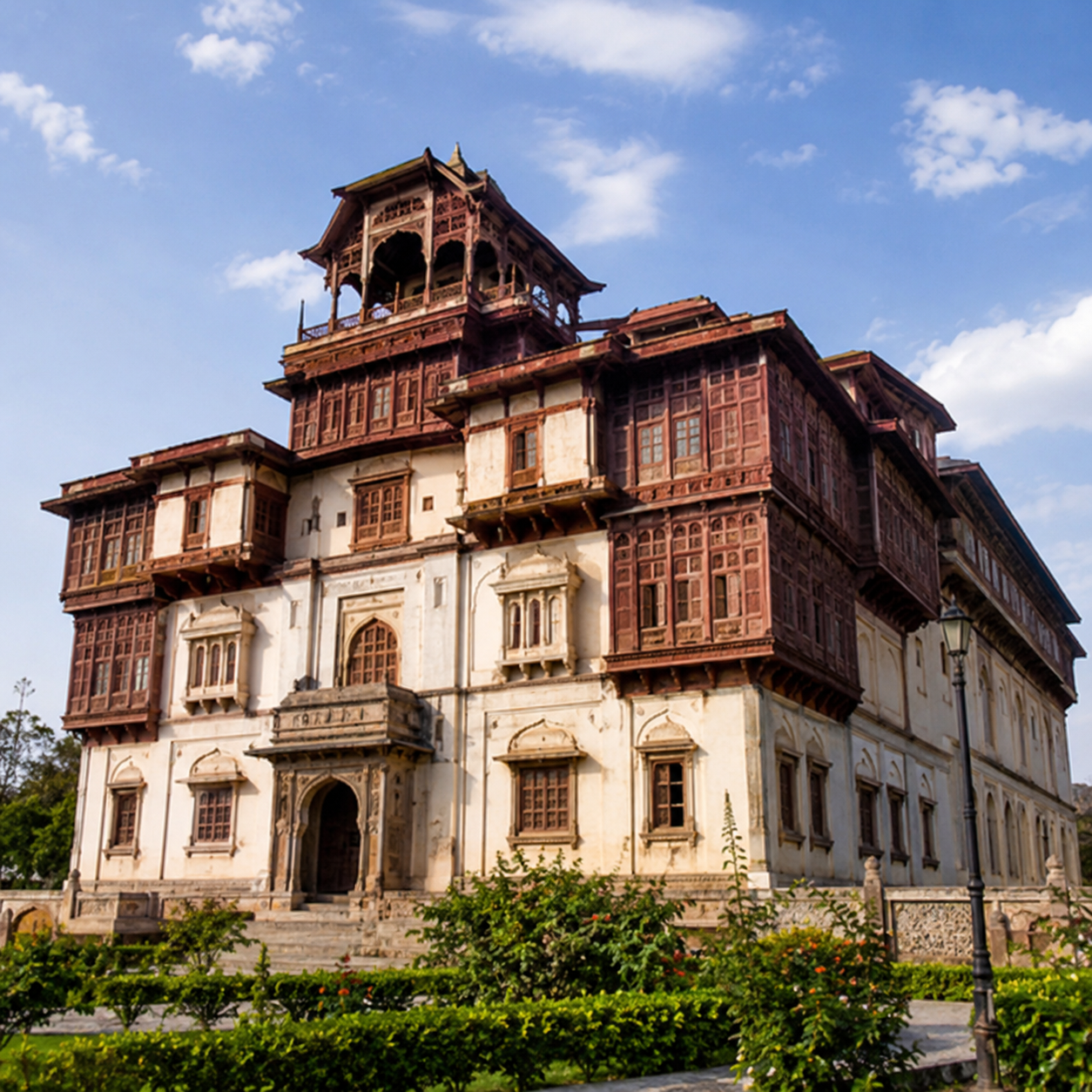
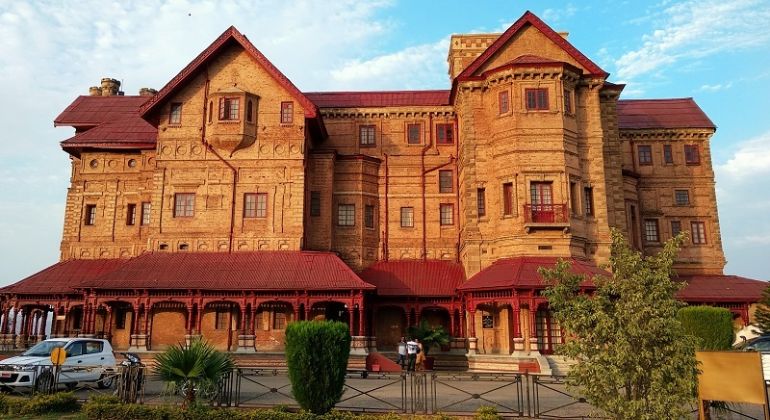
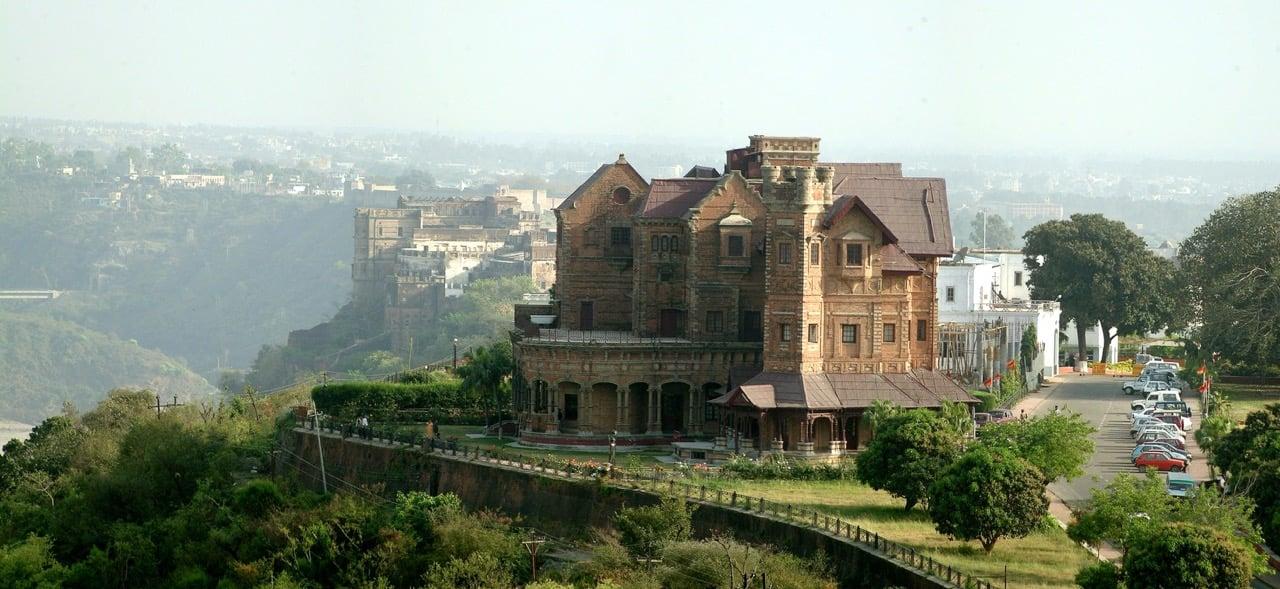
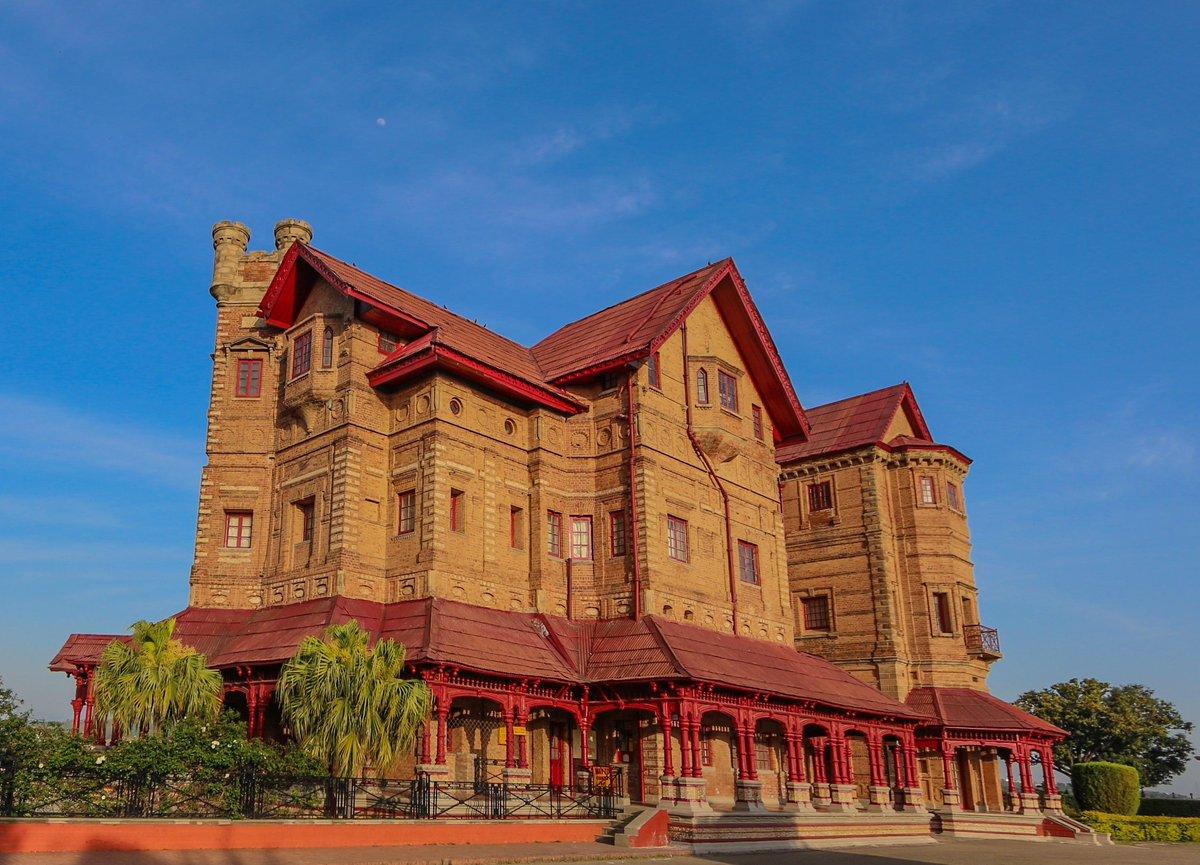
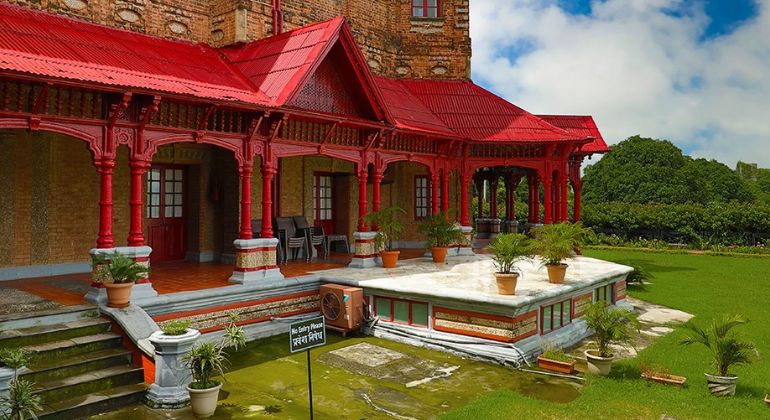
Built in the 1890s by Raja Amar Singh of the Dogra dynasty, Amar Mahal Palace was designed by a French architect and constructed with the craftsmanship of Indian artisans, giving it the unmistakable look of a French chateau set in the heart of Jammu. The palace served as home to the royal family for decades before being converted into a museum.
Constructed largely of red sandstone, the palace now houses an extensive collection of paintings, rare books, historical inscriptions, and sculptures. Its Durbar Hall is lined with portraits of Jammu and Kashmir's former rulers alongside a striking display of Pahari miniature paintings. Among its most notable exhibits is the throne of Maharaja Hari Singh, crafted from 120 kg of solid gold — one of the palace's true showpieces.
Peer Kho Cave
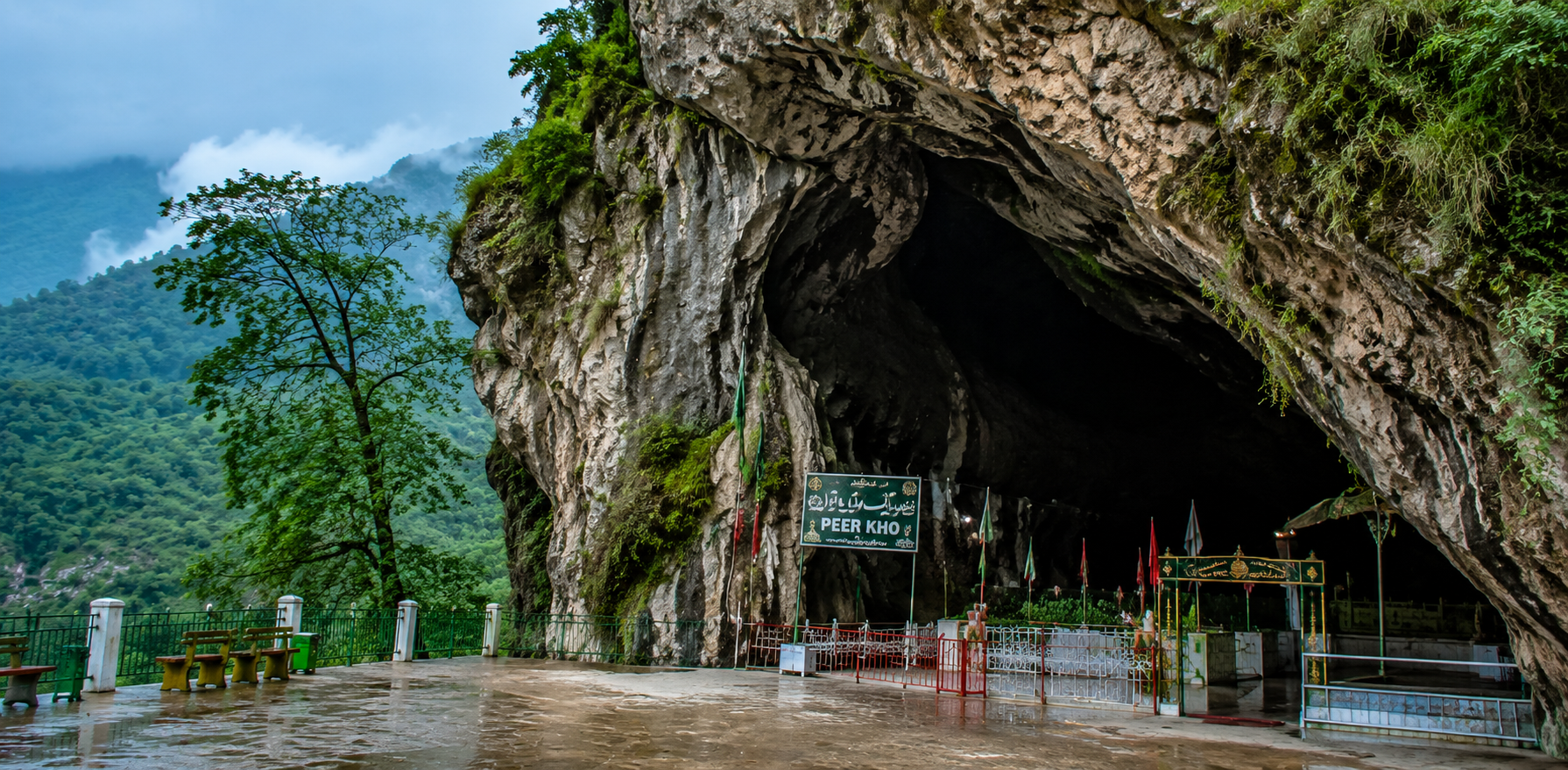
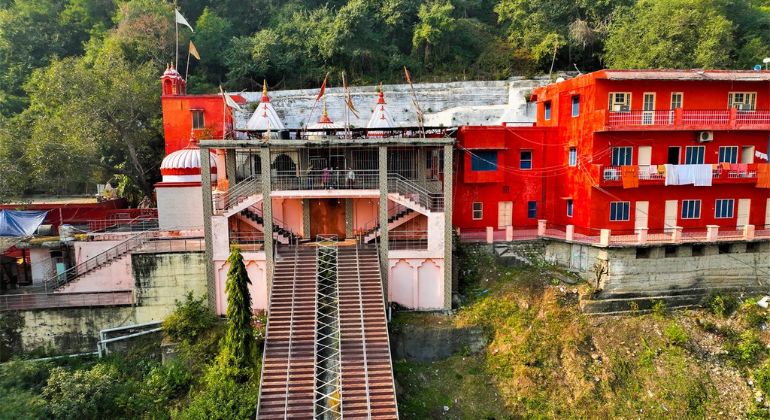
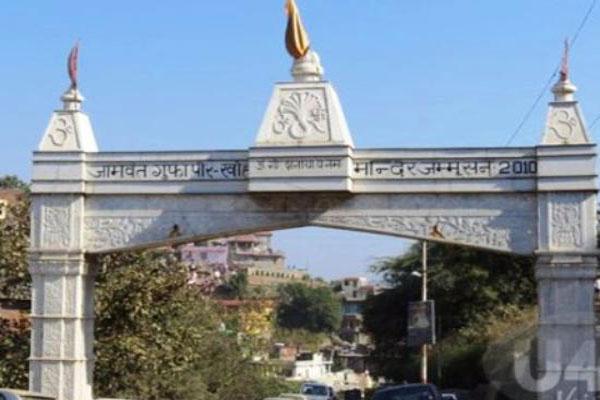
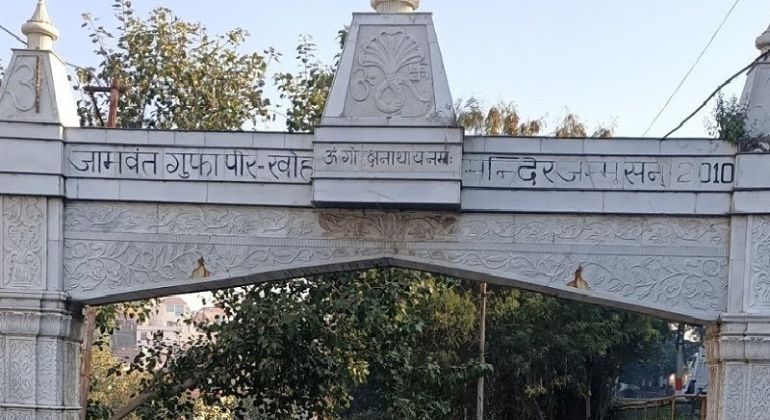
One of Jammu's oldest and most revered shrines, the Peer Kho Temple draws large numbers of pilgrims throughout the year, particularly during Puranmashi, Amavasya, and Ekadashi — key phases of the lunar cycle — as well as major festivals such as Shivratri, Raksha Bandhan, and Shravan Purnima.
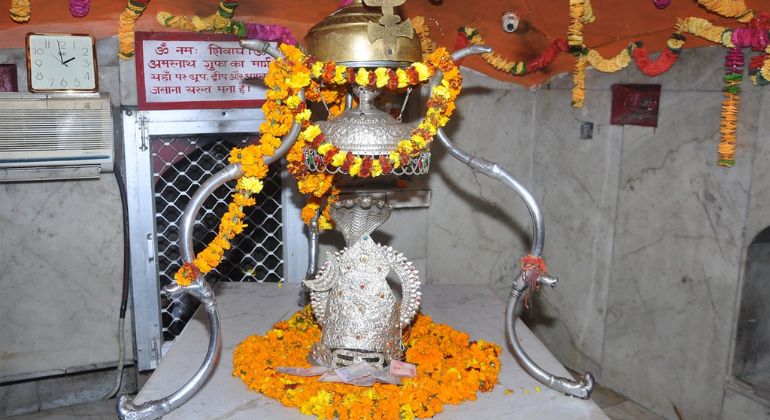
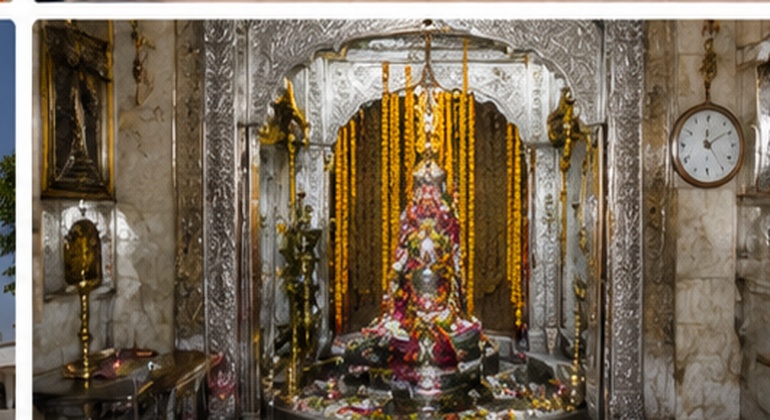
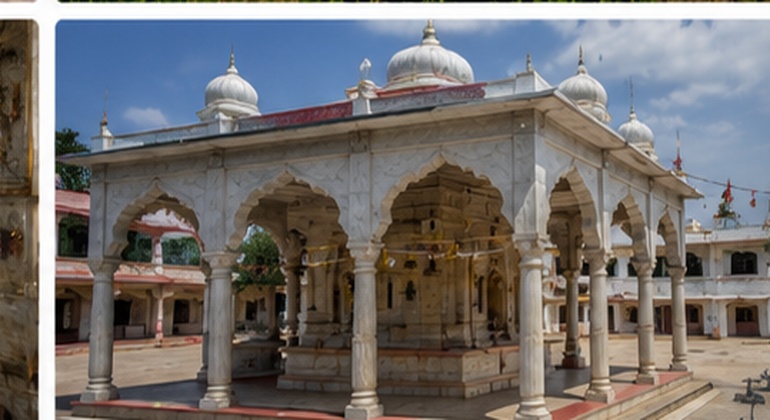
Dedicated to Lord Shiva, the temple is built on a white marble platform and centers around a black stone lingam housed inside a naturally formed cave. The lingam is adorned with a copper serpent, or Naga, while a silver-covered Jallari sits beneath a suspended copper vessel that continuously drips water onto the shrine — a traditional form of ongoing worship. Some historical evidence suggests the temple's lower structure shares similarities with the Purmandal Temple, also built during Dogra rule, though records indicate the site itself dates back to the 15th century, constructed under Raja Ajaib Dev for the saint Siddha Ghareeb Nath.
The shrine sits within a cave complex reaching depths of twenty to thirty feet underground, adding to its atmosphere as one of the city's most striking medieval-era sites.
Mubark Mandi
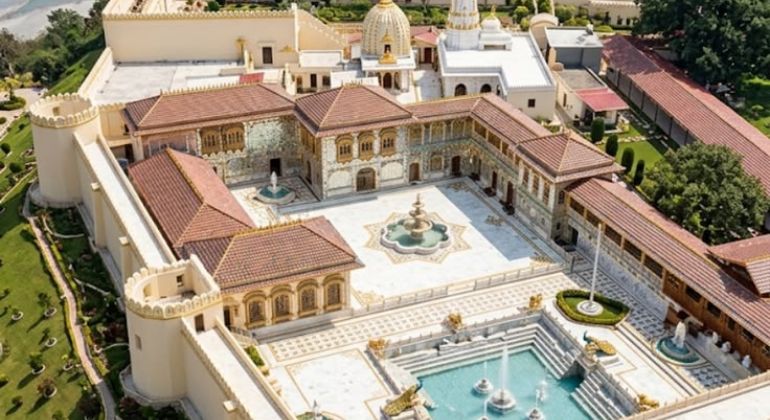
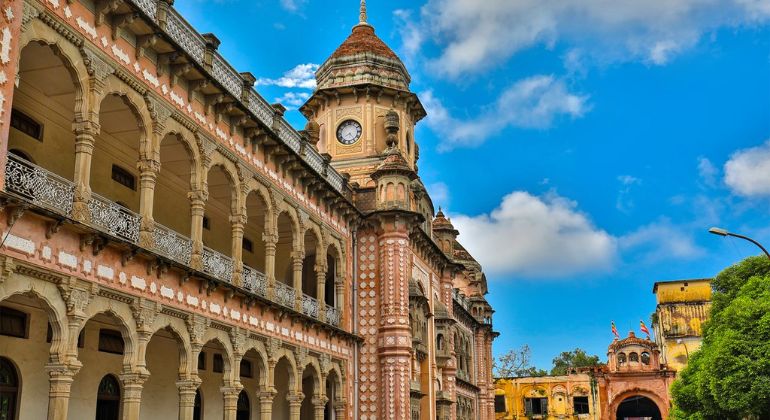
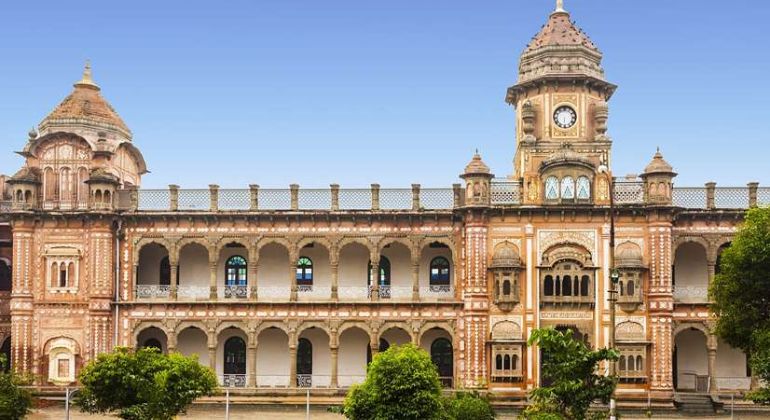
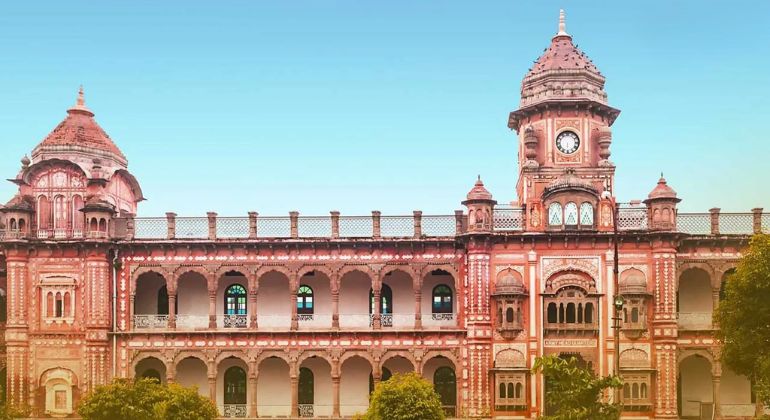
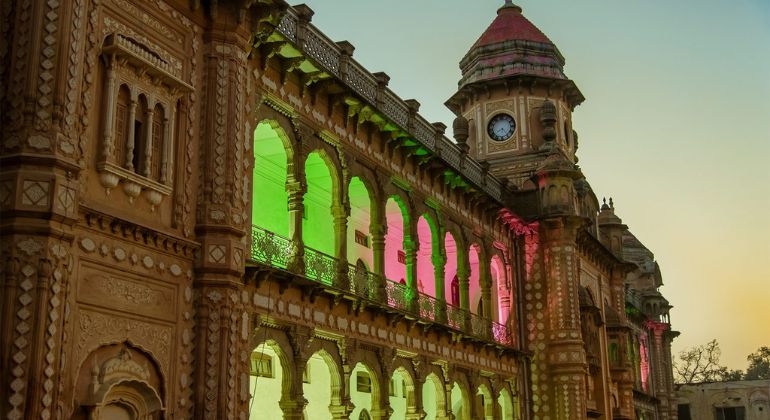
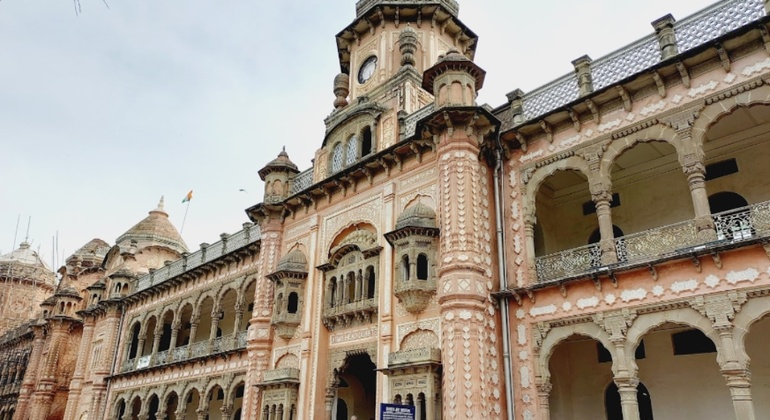
The Mubarak Mandi is a royal palace in Jammu that once served as the residence of the maharaja of Jammu and Kashmir from the Dogra dynasty. One of its most spectacular segments, The Shesh Mahal or The Pink Hall houses the Dogra Art Museum which has several miniature paintings and Emperor Shah Jahan's golden bow and arrow, among other interesting things. The architecture of the palace is an elaborate blend of Rajasthani, Mughal and European influences. The oldest building in this Palace complex date to 1824, having seen its own share of time and gathering specimens from all these ages, becoming one itself.
Ranbireshwar Temple
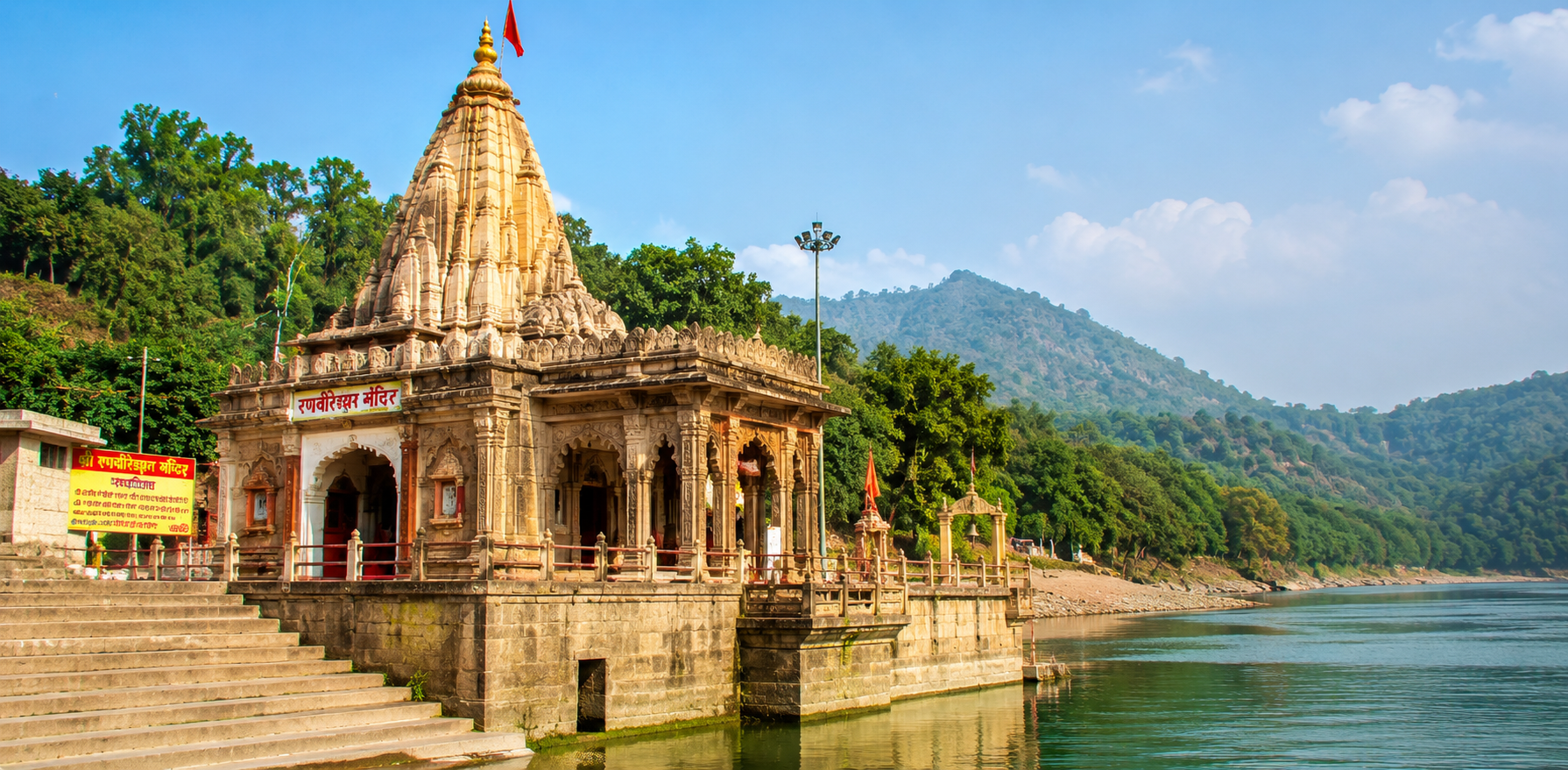
Set in the heart of Jammu on the busy Shalimar Road, opposite the Jammu and Kashmir civil secretariat, the Ranbireshwar Temple is regarded as one of the most significant Shiva temples in North India and one of the oldest in the city. Built roughly 200 years ago by Maharaja Ranbir Singh of the Dogra dynasty, the temple follows the classic Nagara style of architecture and stands atop a spacious, brick-paved double-storey platform that offers sweeping views of the surrounding city.
Its centerpiece is the largest Shivlinga in the country — an eight-foot structure carved from a single block of black marble. The temple grounds are also home to a massive brass idol of Nandi, weighing over 1,000 kg. Just a kilometre away sits the equally significant Raghunath Temple complex, making this stretch of Jammu one of the city's most important pilgrimage corridors.
Patnitop
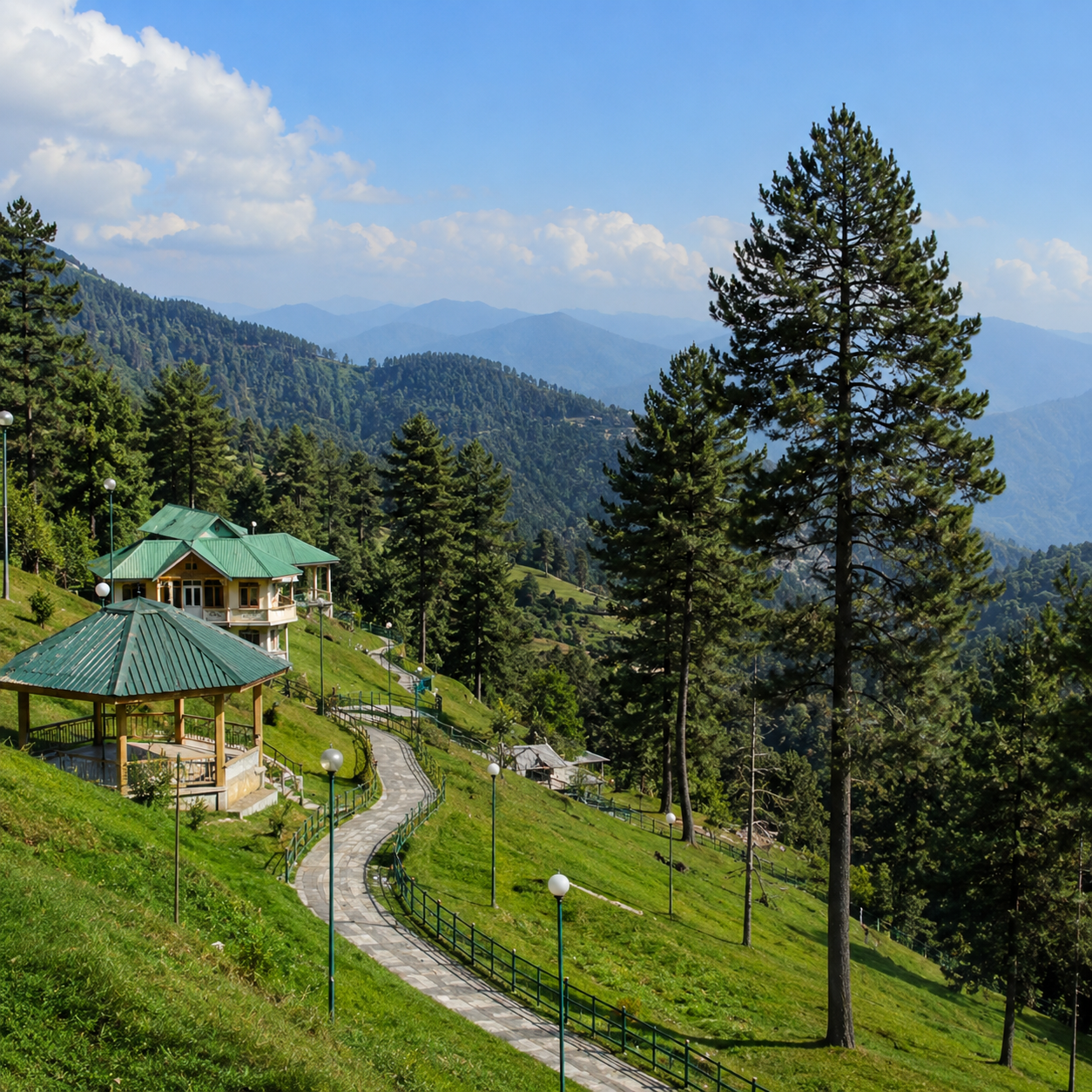
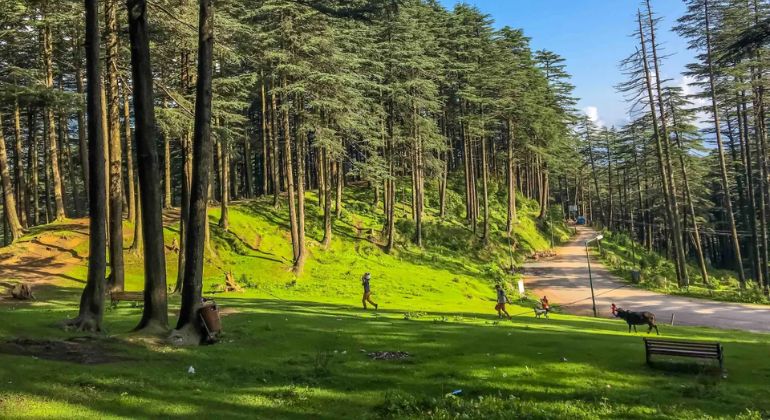
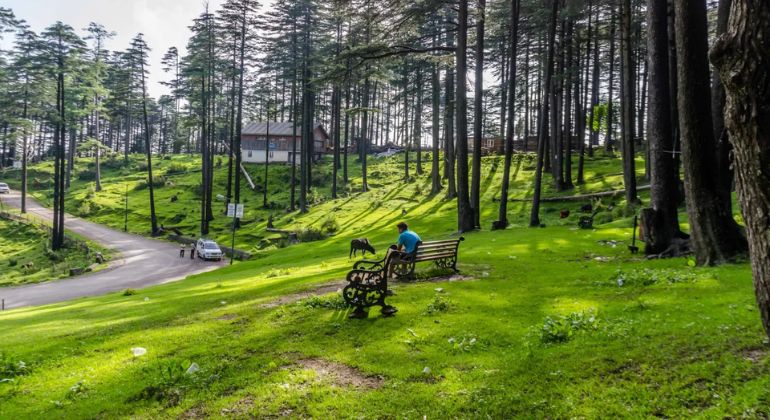
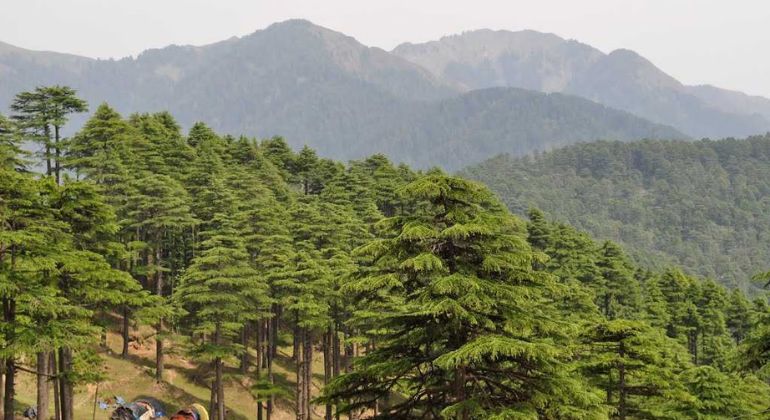
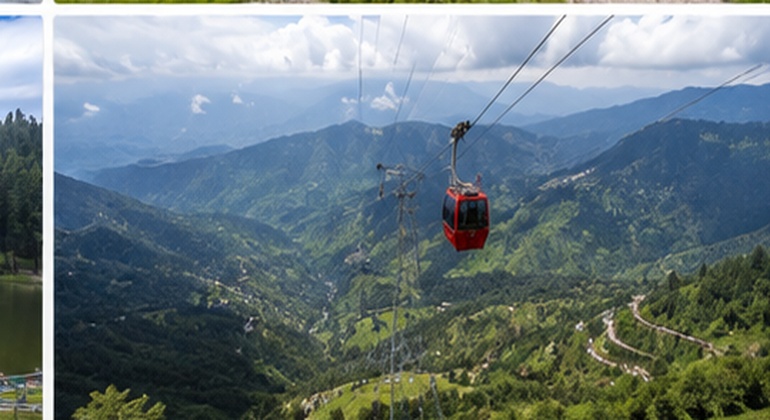
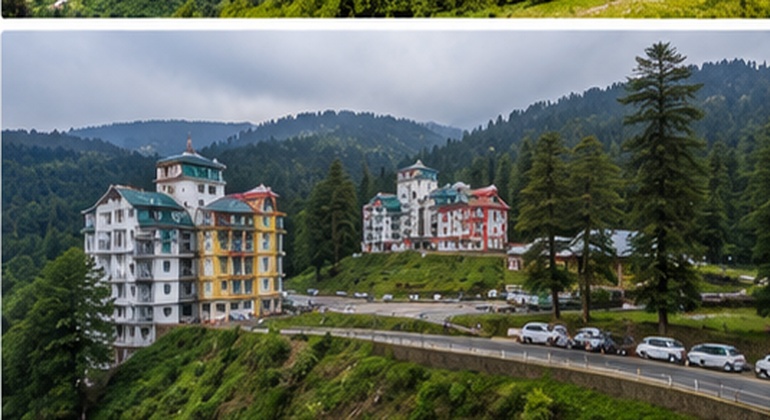
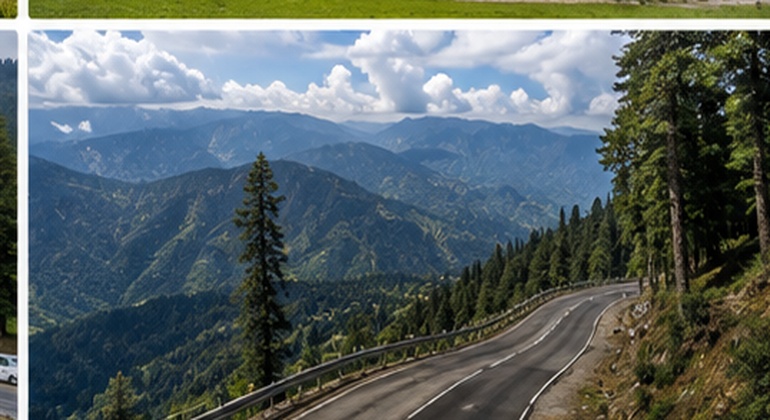
For travelers seeking a quiet escape into nature, Patnitop is one of Jammu's most peaceful hill destinations. Located about 112 km from the city, this scenic hill station sits on a plateau at an altitude of 2,024 metres, right along the Jammu-Srinagar Highway. Surrounded by dense pine forests, it offers pleasant picnic spots, gentle walking trails, and open views across the Chenab basin.
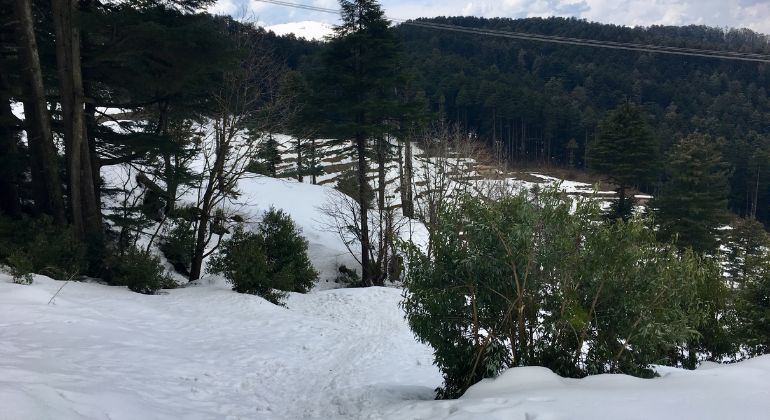
In winter, Patnitop is blanketed in snow, drawing visitors for skiing and other snow activities, while summer brings cooler temperatures and lush green surroundings that make it a popular retreat from the plains. Its huts and Dak Bungalow accommodations see high occupancy through the summer season, reflecting its popularity as one of the region's best-developed hill resorts.
Nearby, Sanasar offers a similar landscape at a slightly higher altitude, while Mathatop — located en route — provides clear views back over Patnitop and is a good spot for a short trek.