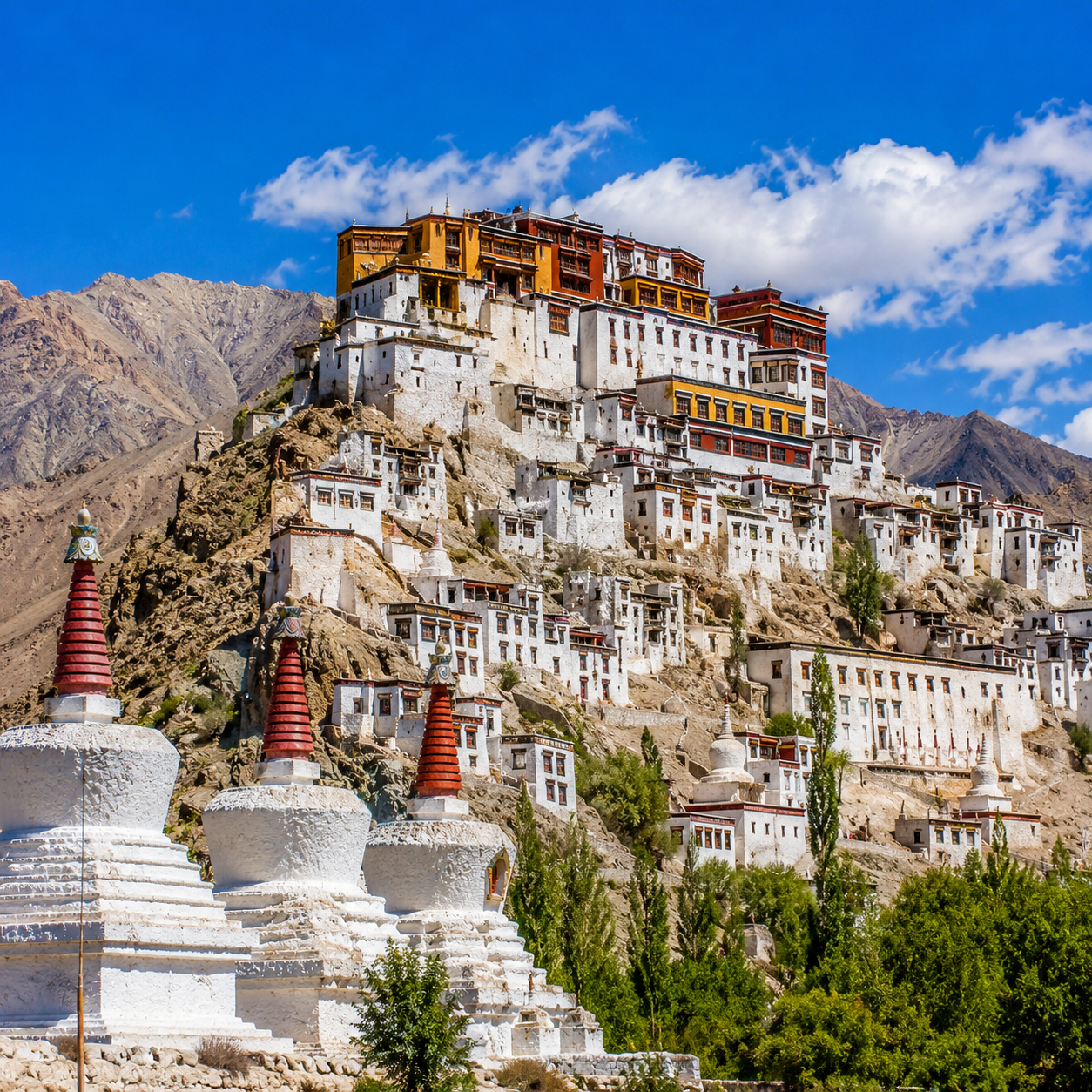
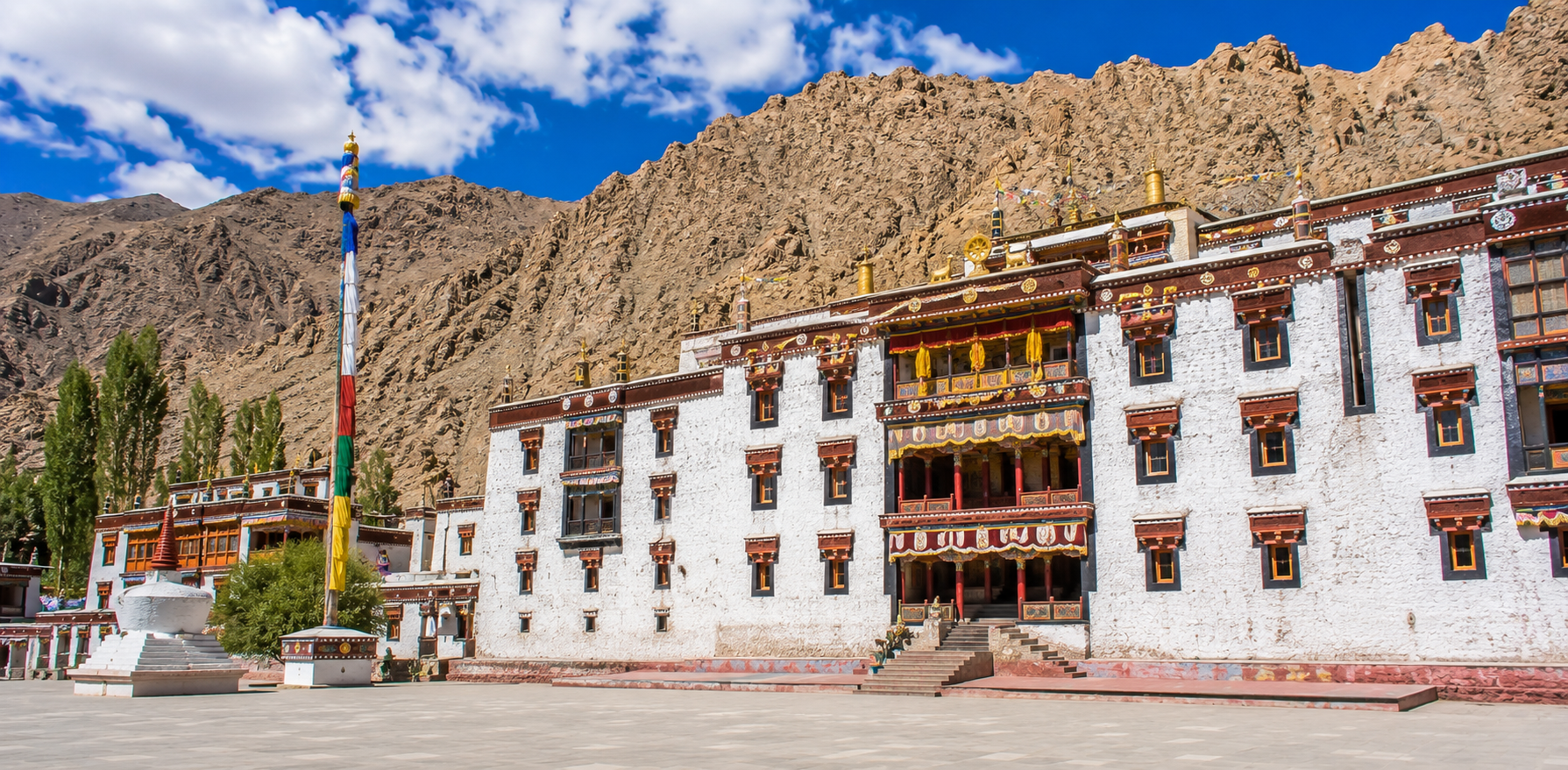
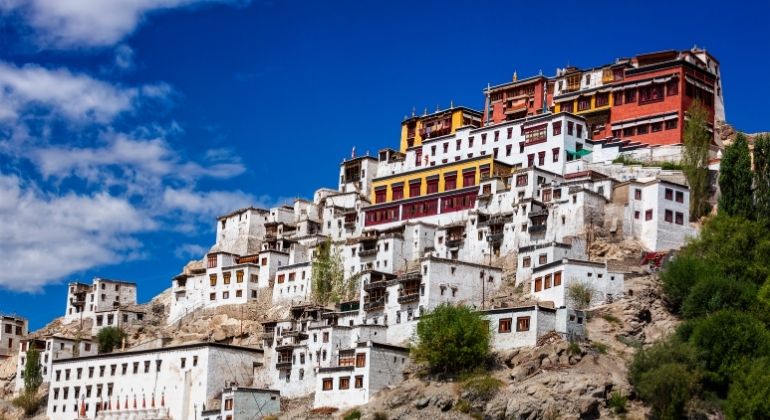
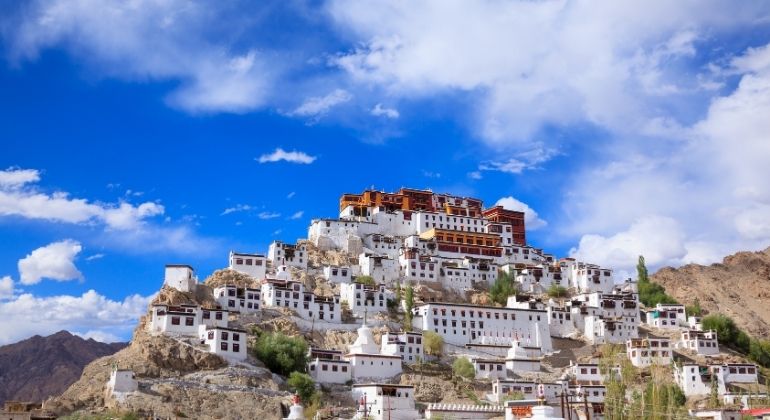
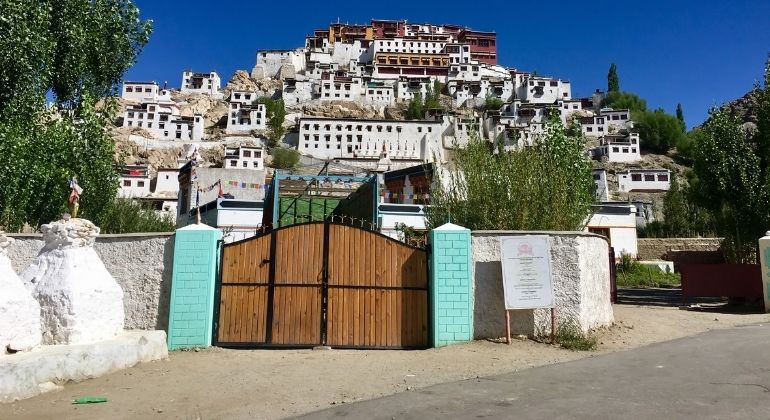
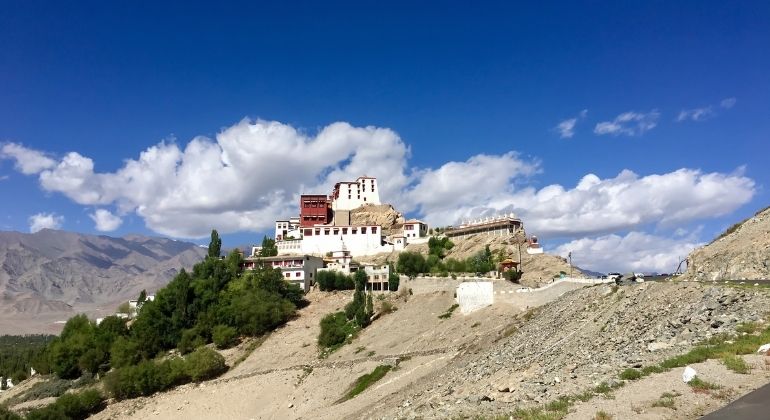
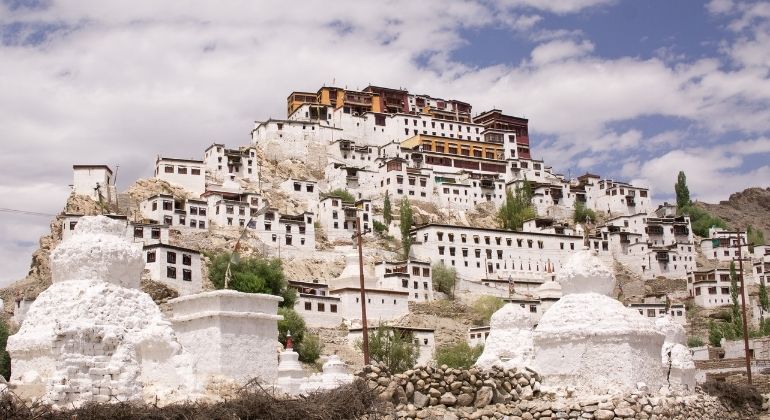
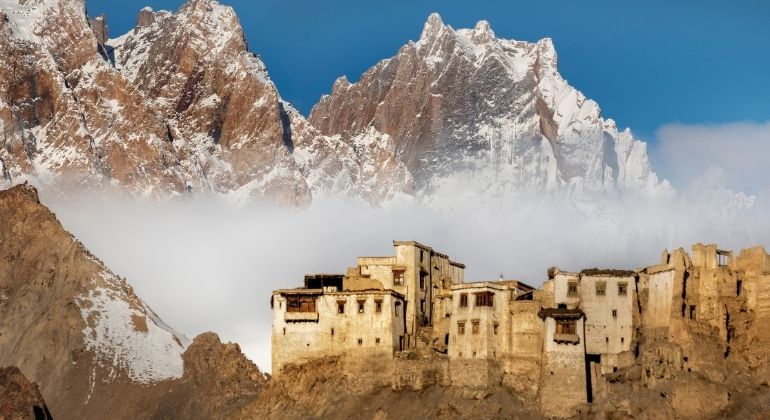
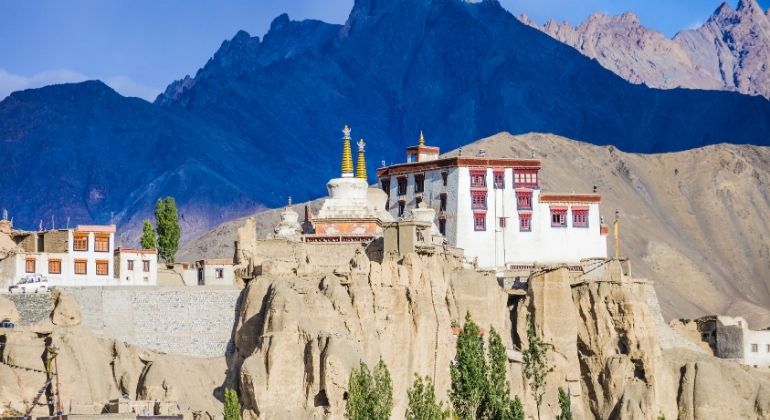
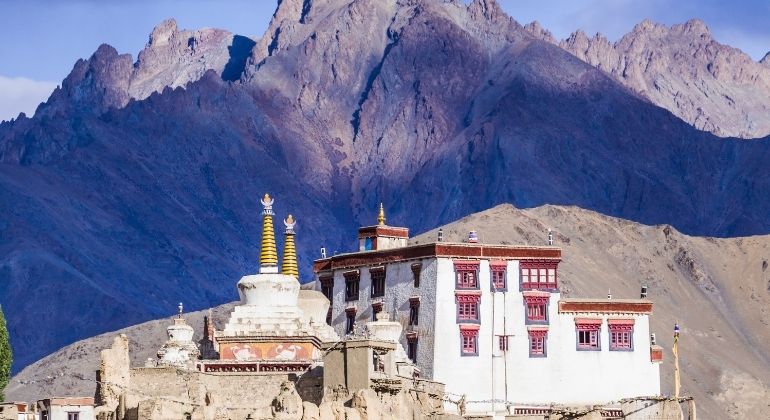
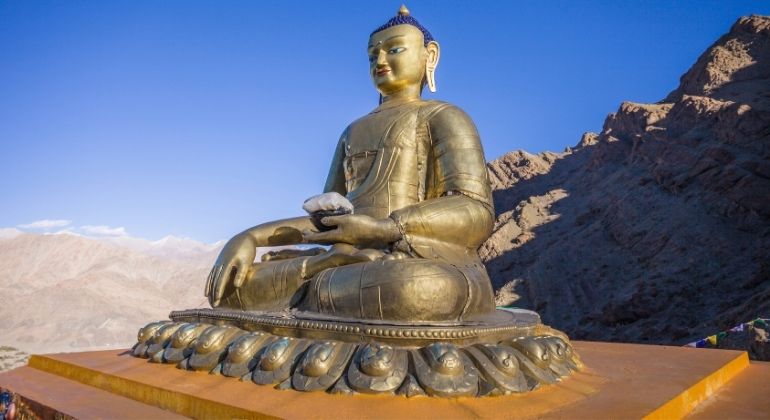
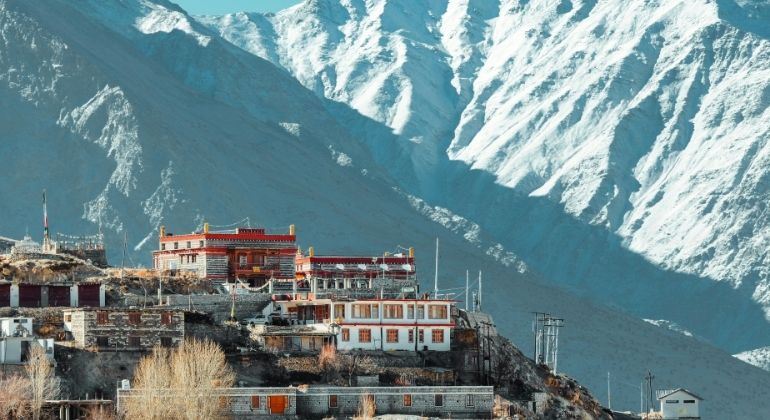
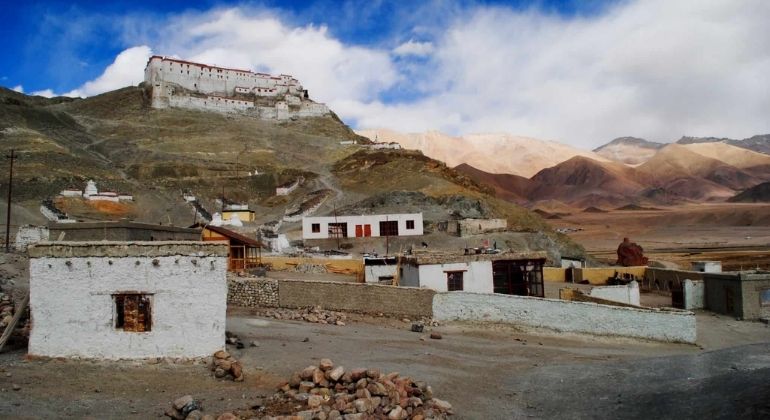
Perched on a hilltop in the Indus Valley, about 19 km from Leh, Thiksey Monastery is one of the largest and most striking gompas in Ladakh. Its tiered, whitewashed structure is often compared to the Potala Palace in Lhasa, rising in stacked levels up the hillside. Inside, the monastery houses a two-storey statue of the Maitreya Buddha, along with ancient thangkas, wall paintings, and a collection of Buddhist manuscripts. Visitors can also witness the monks' morning prayer ritual, accompanied by traditional horns and drums, making it one of the more immersive monastery visits in the region.
Shanti Stupa
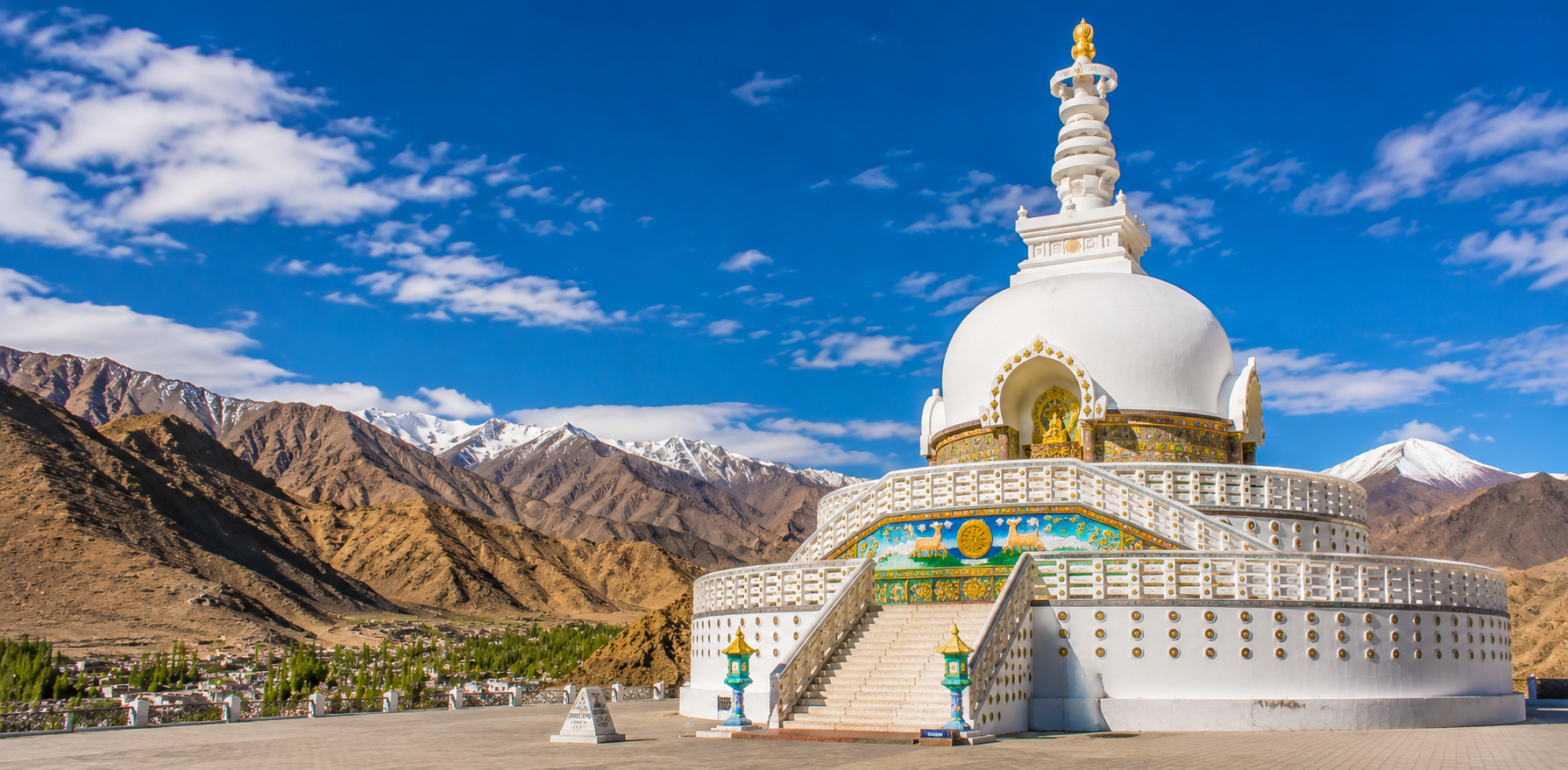
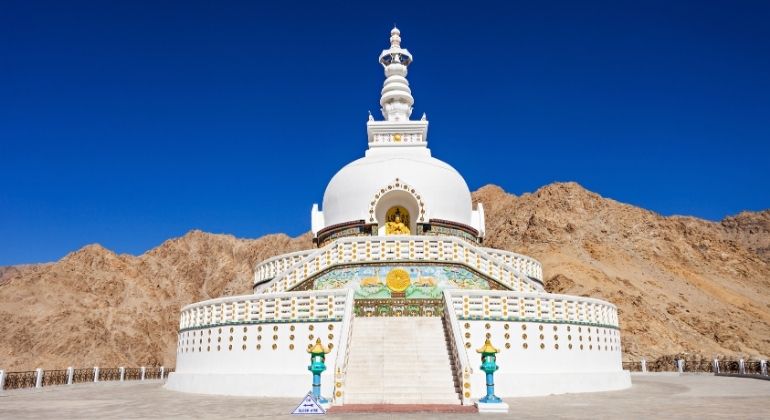
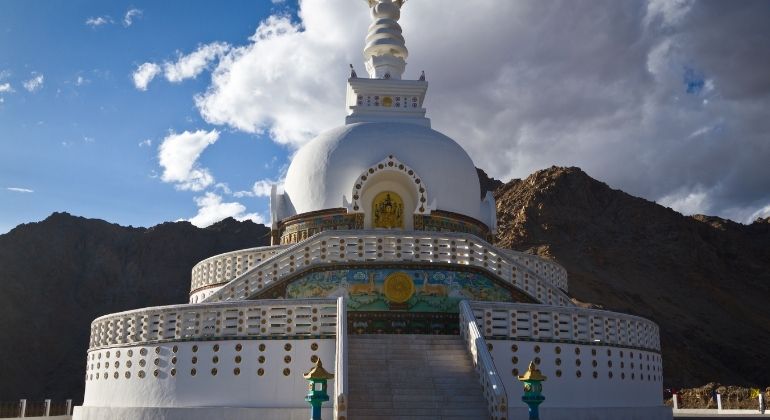
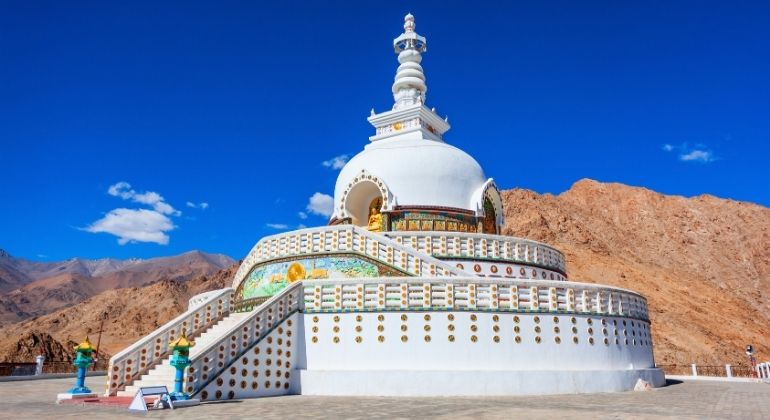
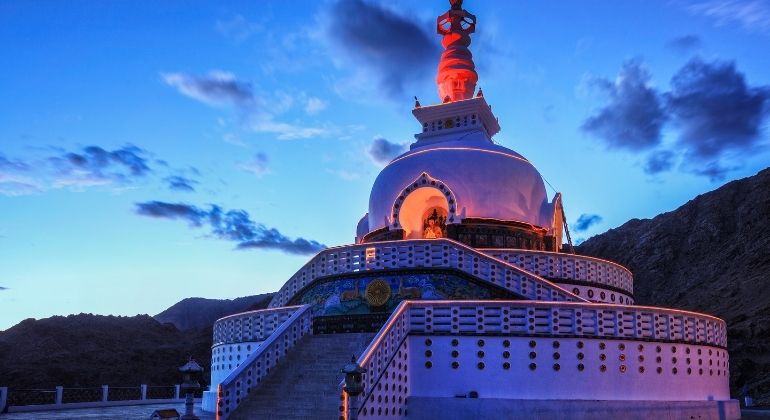
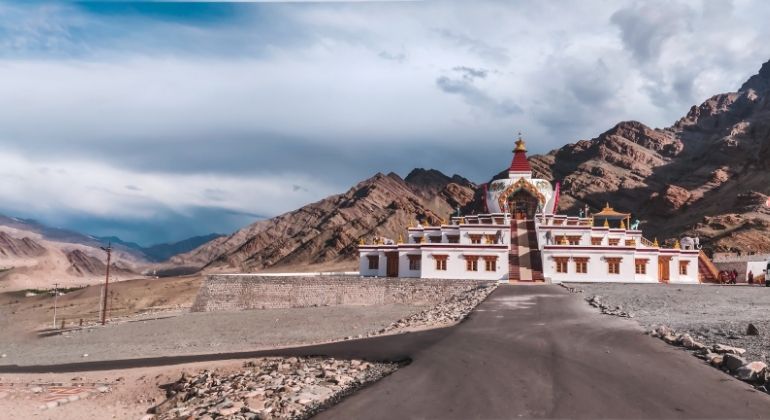
Built in 1991 by Japanese Buddhist monks to promote world peace, the Shanti Stupa sits on a hilltop overlooking Leh town. The white-domed structure houses relics of the Buddha at its base, gifted by the Dalai Lama himself. Beyond its religious significance, the stupa is one of the best viewpoints in Leh, offering panoramic views of the town, the surrounding mountains, and the Indus Valley — particularly striking at sunrise and sunset when the structure is lit up against the changing sky.
Nubra Valley
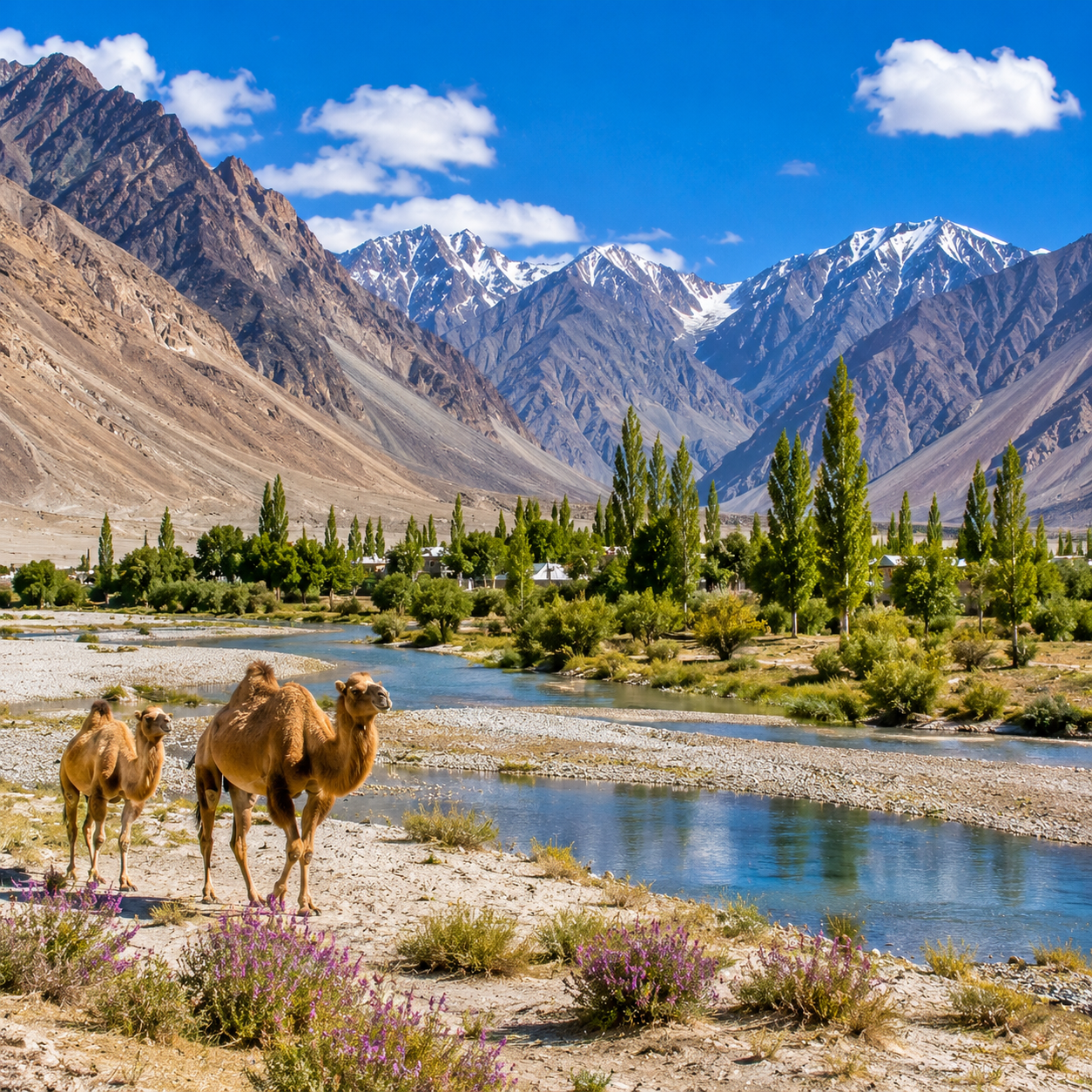
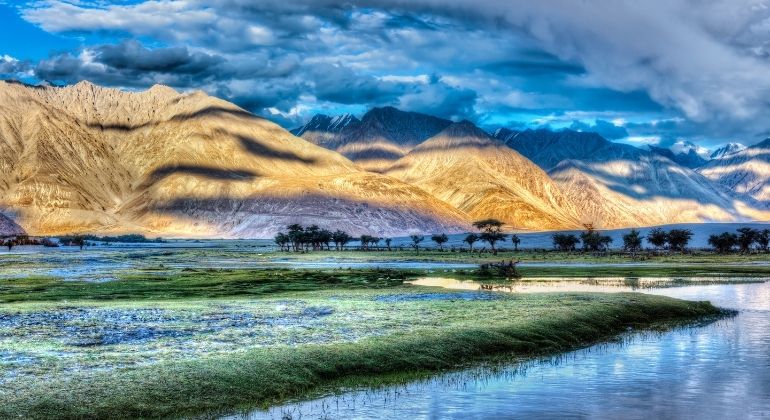
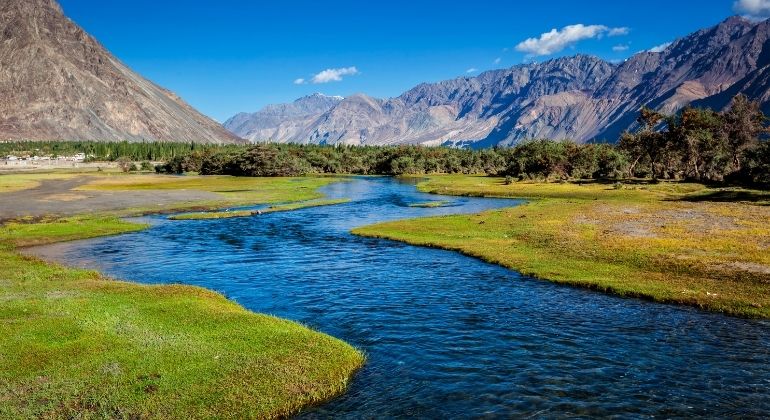
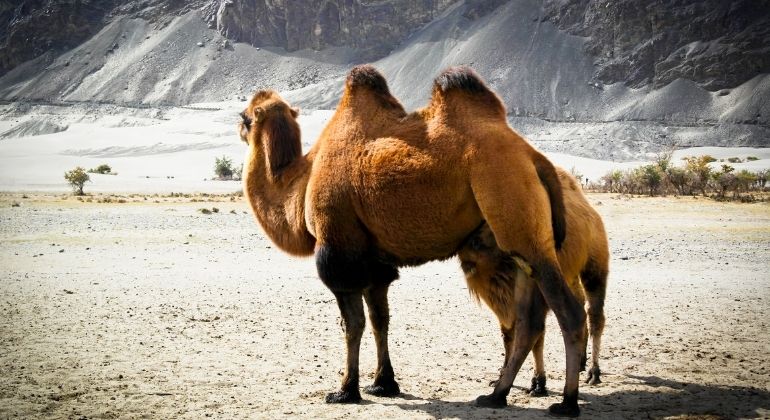
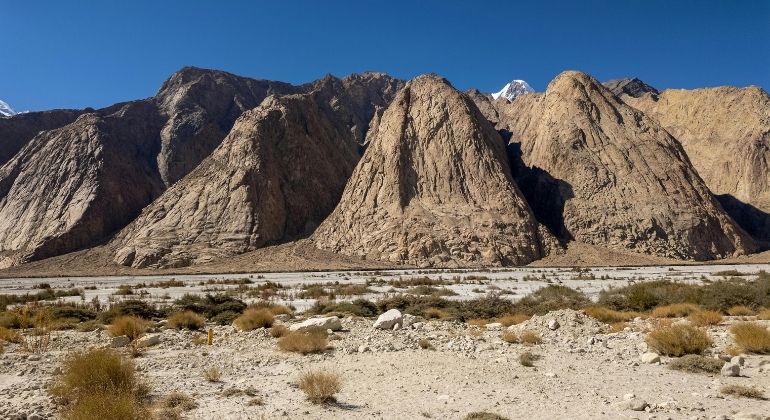
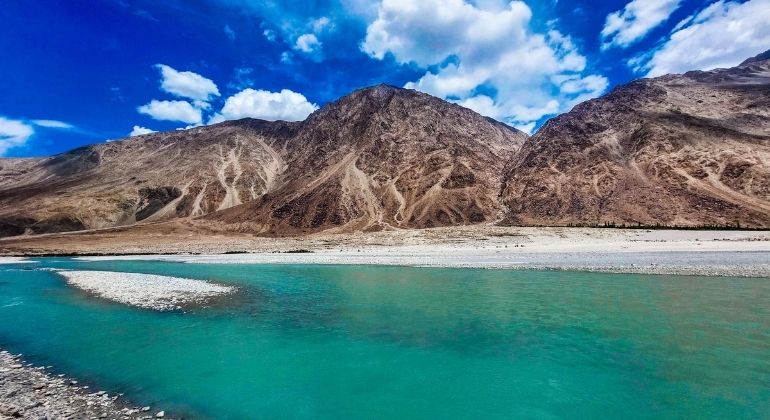
Reached via the Khardung La Pass, Nubra Valley is a high-altitude cold desert where the Shyok and Nubra rivers cut through dramatic mountain terrain. The valley is known for its sand dunes near Hunder, where double-humped Bactrian camels — a legacy of the old Silk Route trade — can still be seen. Villages here are dotted with monasteries, orchards, and traditional Ladakhi homes, offering a striking contrast between the surrounding barren mountains and the pockets of greenery along the riverbanks.
Khardung La Pass
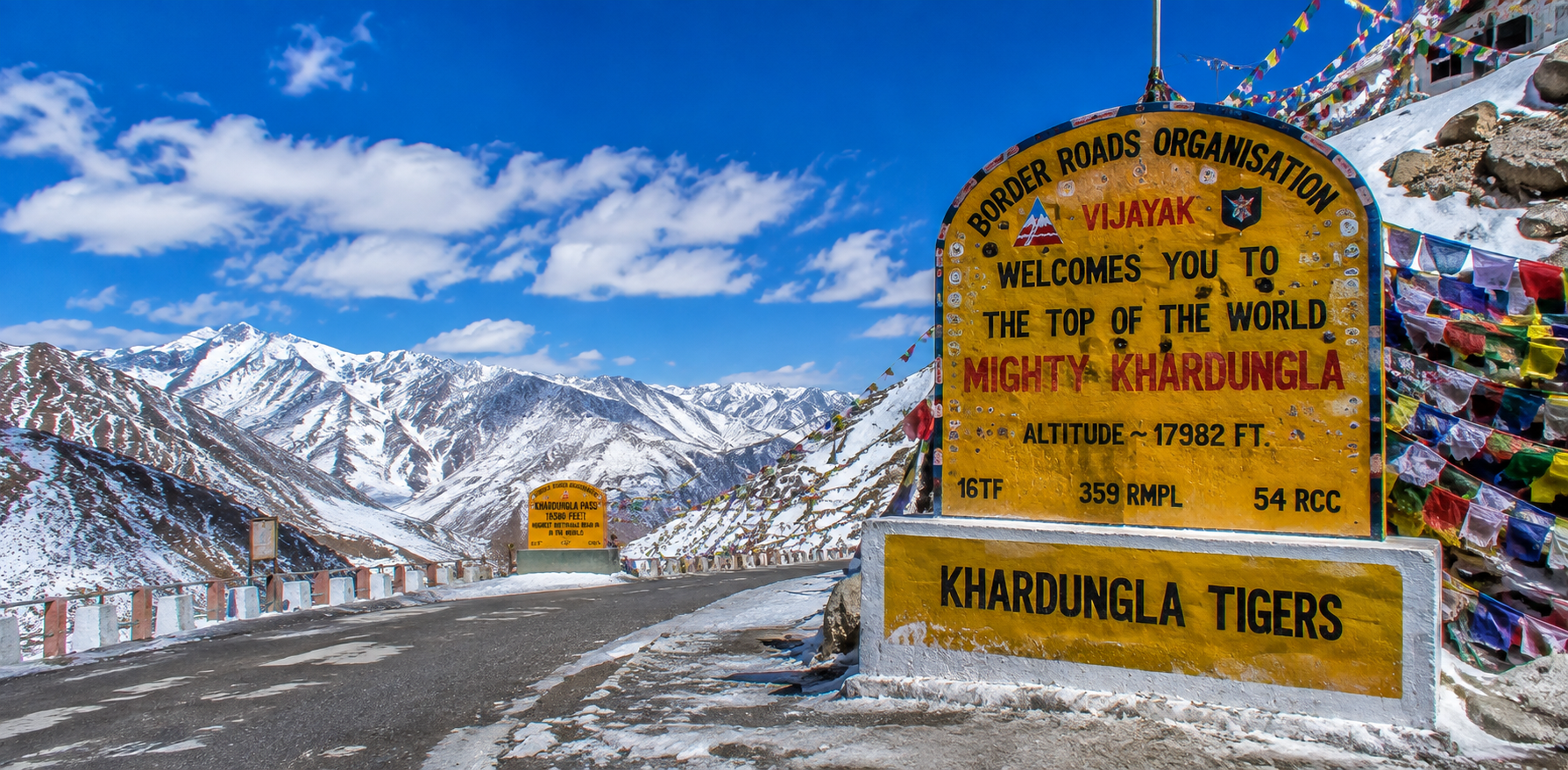
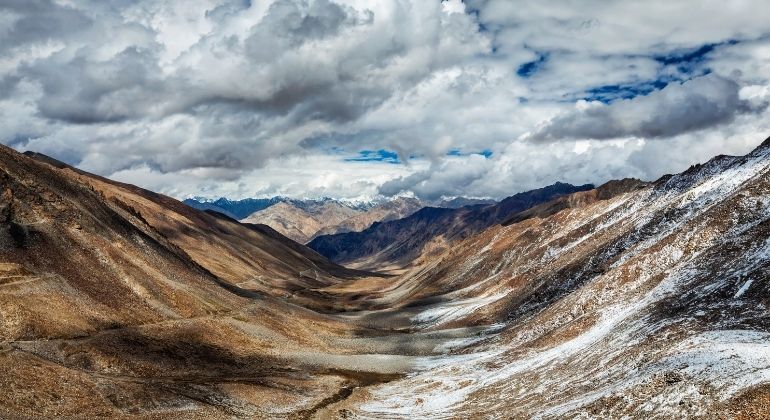
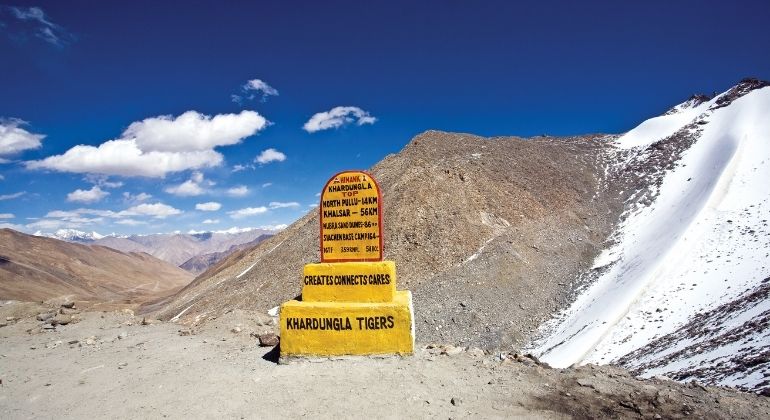
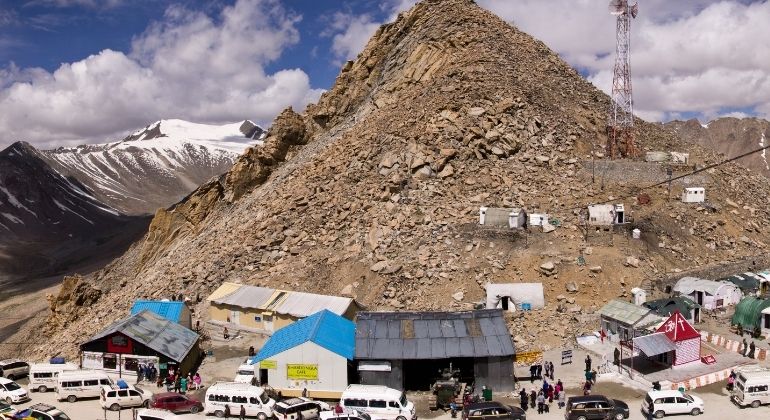
Once considered one of the highest motorable passes in the world, Khardung La sits at an altitude of around 17,982 feet and serves as the gateway between Leh and the Nubra Valley. The pass is a significant landmark for road trippers and bikers, marked by a signboard that has become a popular photo stop. Beyond its altitude bragging rights, Khardung La offers sweeping views of the surrounding Ladakh range and a firsthand sense of just how remote and dramatic this high-altitude terrain can be.
Pangong Tso Lake
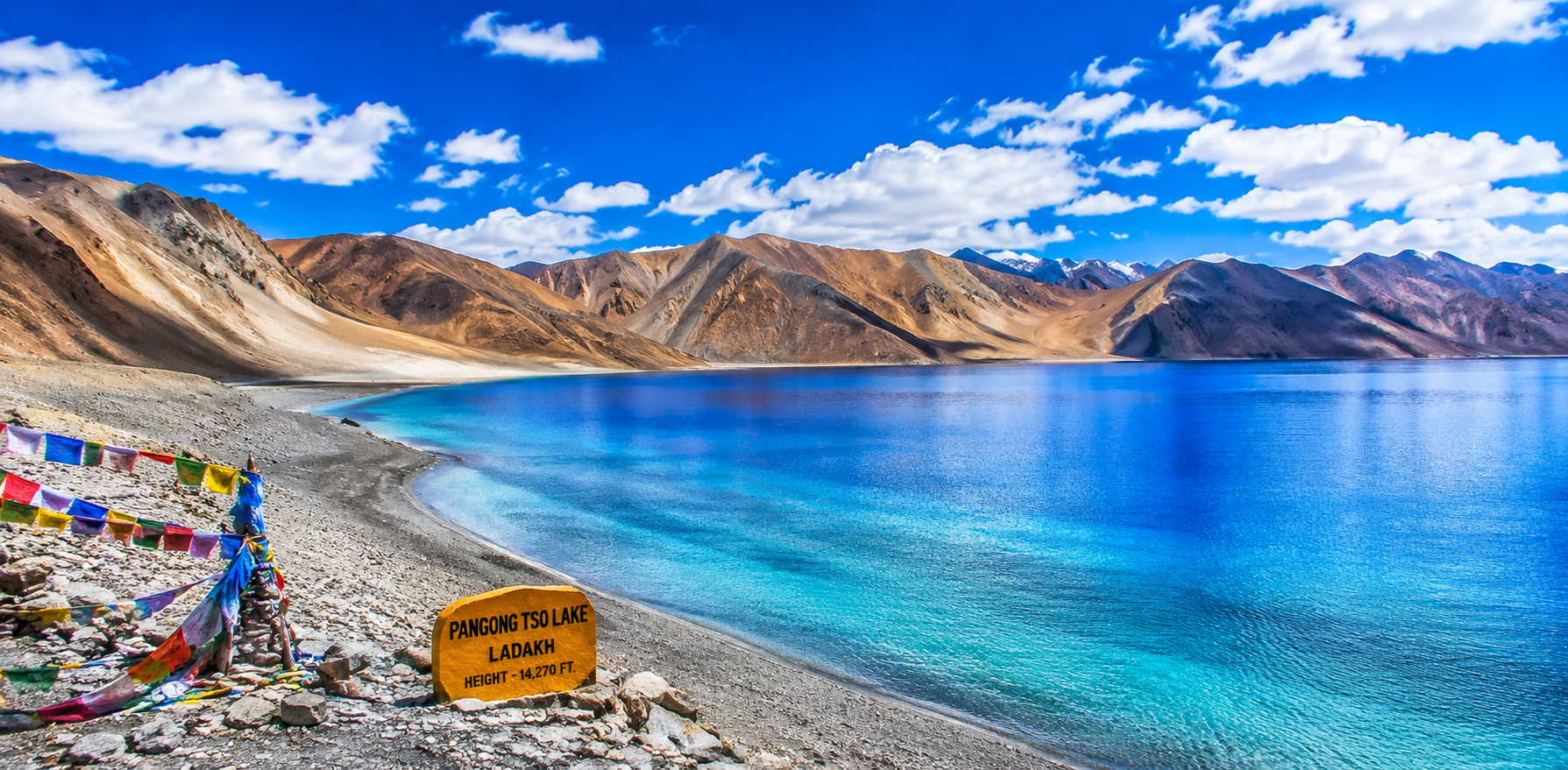
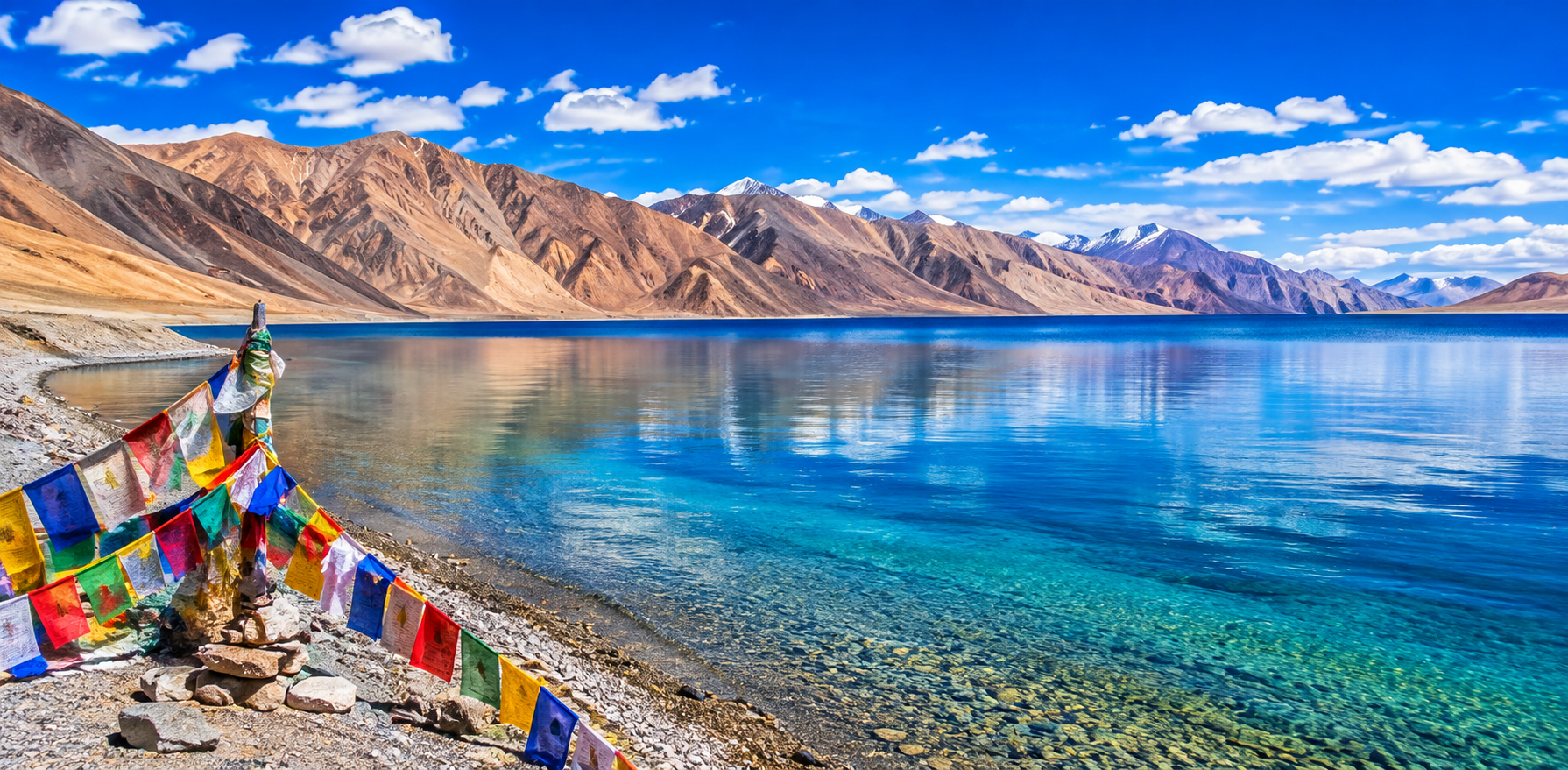
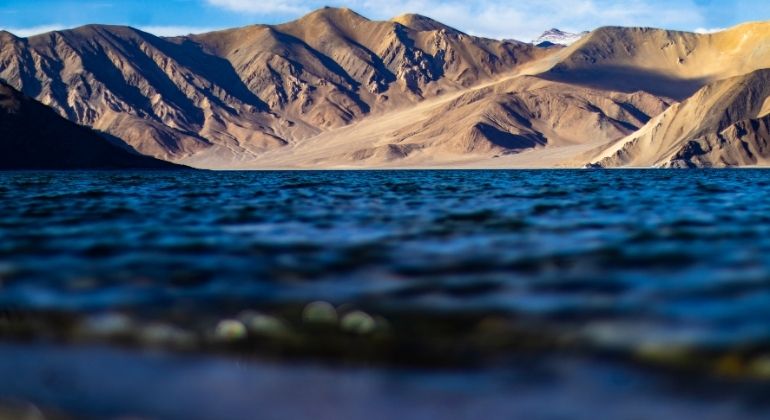
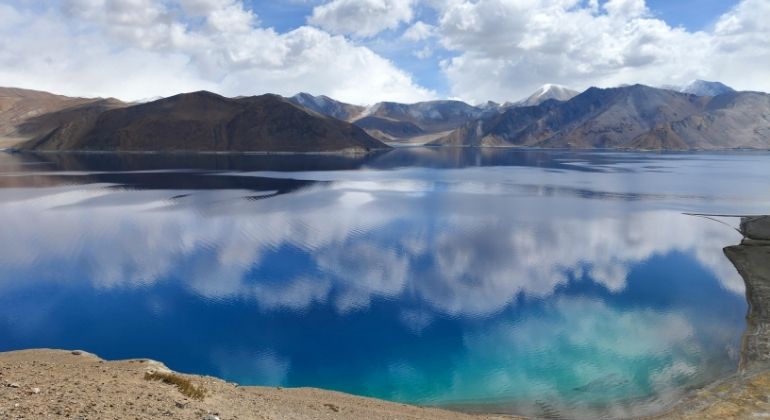
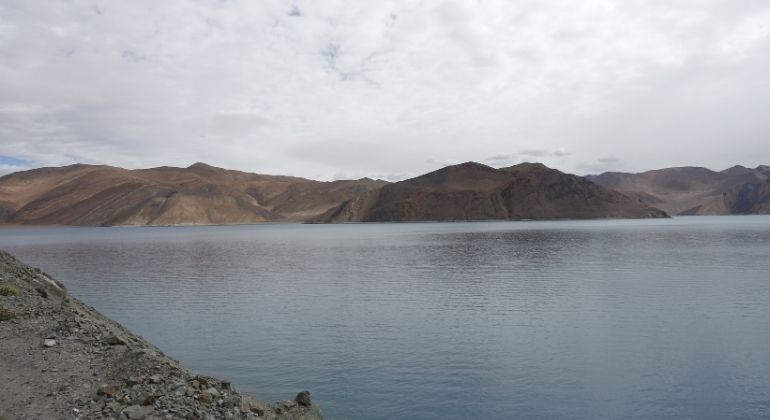
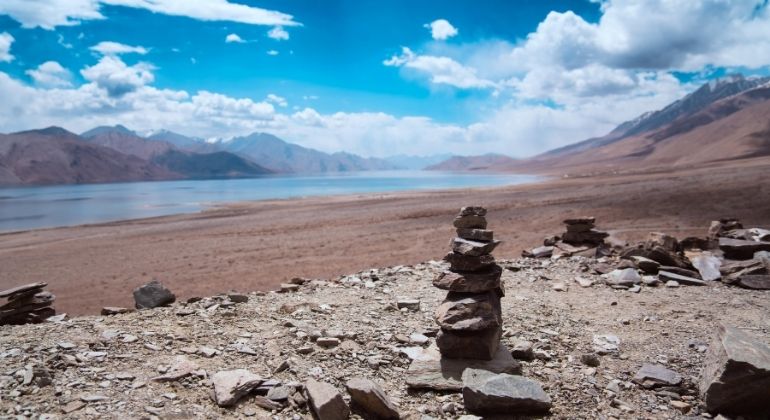
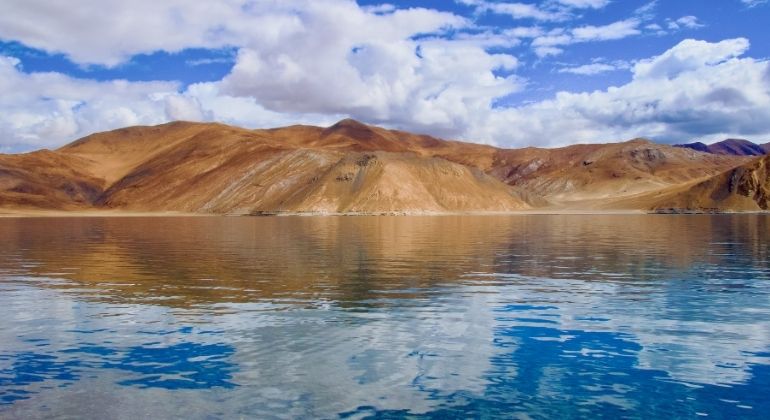
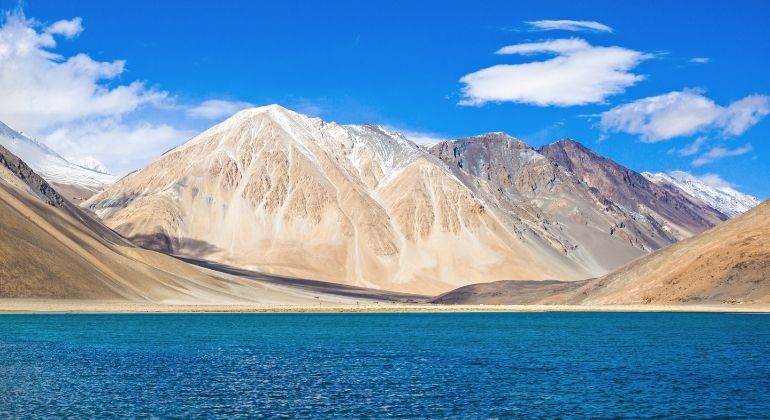
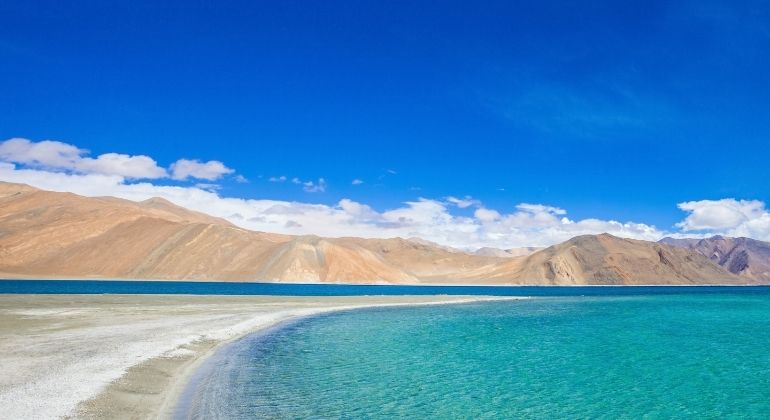
Stretching over 130 km, with roughly a third of it lying in India and the rest extending into Tibet, Pangong Tso is one of the most photographed lakes in the country. Its water shifts through shades of blue, turquoise, and green depending on the light and time of day, set against a backdrop of barren mountains. Sitting at over 14,000 feet, the lake is a popular stop on Ladakh itineraries, though its remote location and high altitude mean the journey there is as much a part of the experience as the destination itself.
Lamayuru
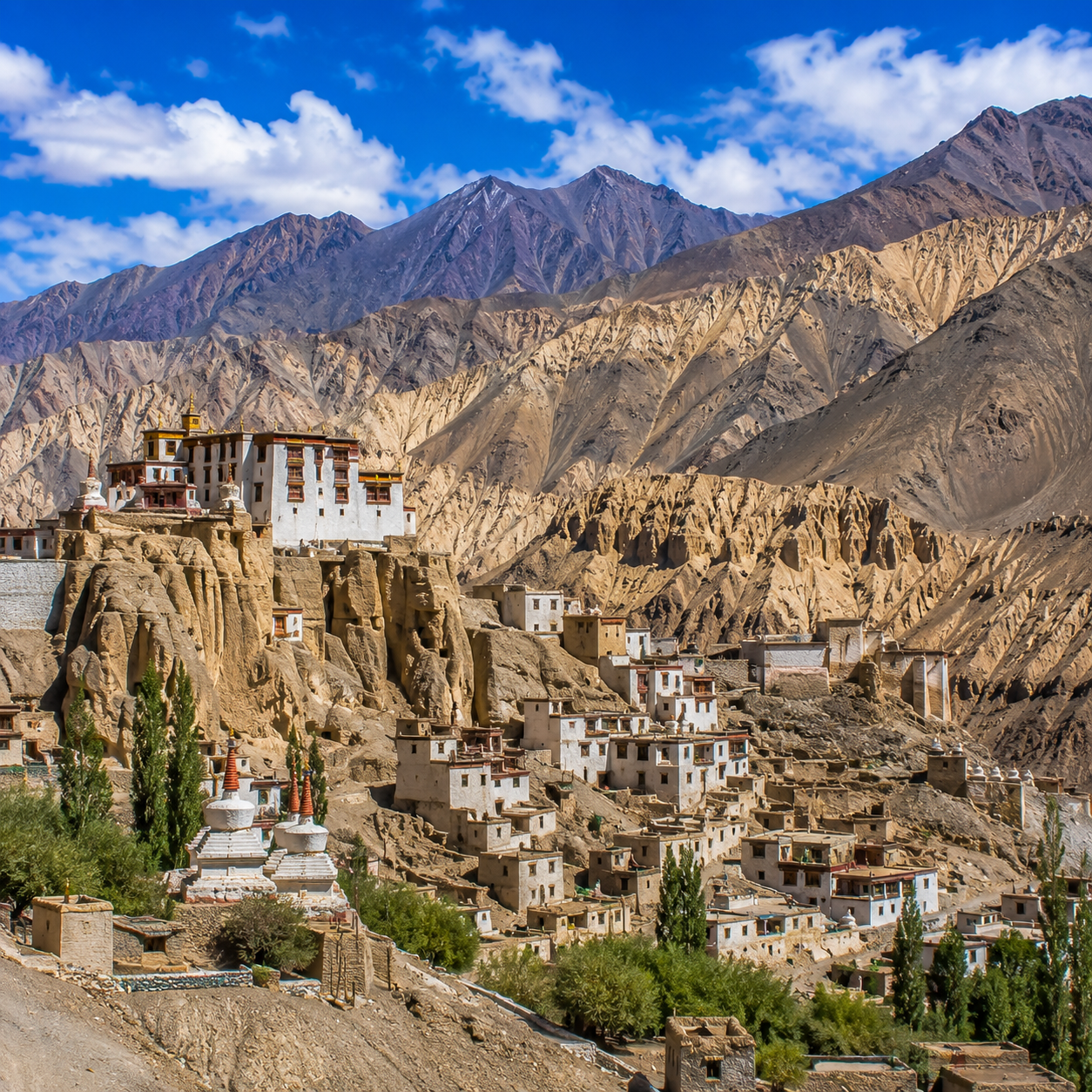
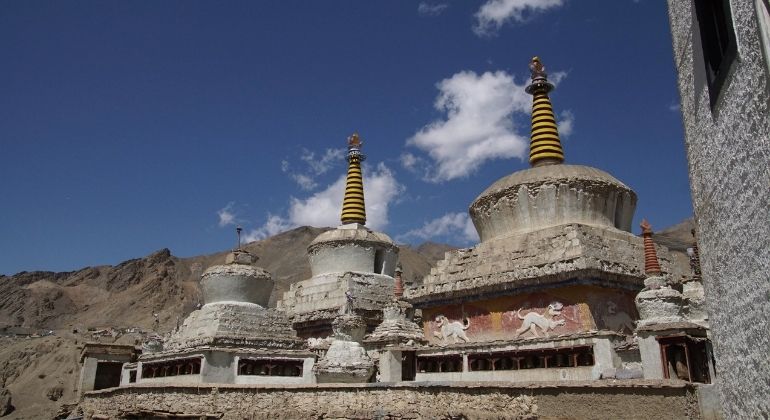
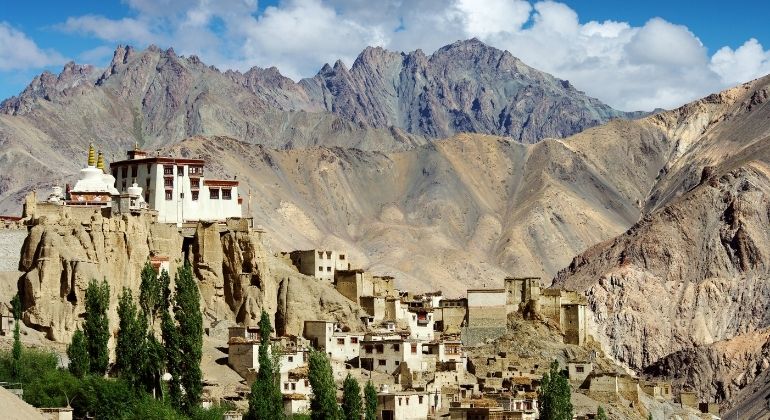
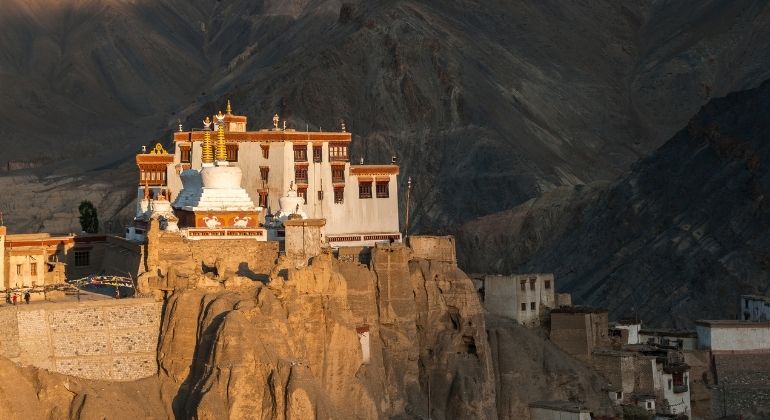
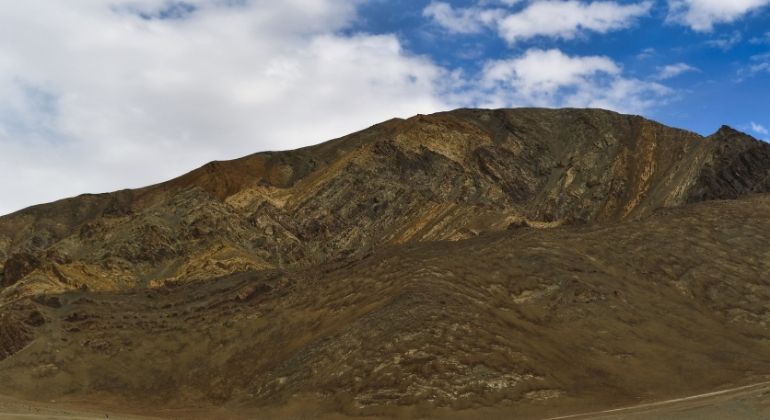
Often called Ladakh's "moonland" for its eroded, crater-like landscape, Lamayuru is home to one of the oldest and most striking monasteries in the region. Believed to date back over a thousand years, the monastery sits amid a surreal terrain of jagged rock formations that look almost otherworldly, especially in the early morning or late afternoon light. Located on the Leh–Kargil highway, Lamayuru is as much valued for its dramatic scenery as for its religious and historical significance.
Hemis Monastery
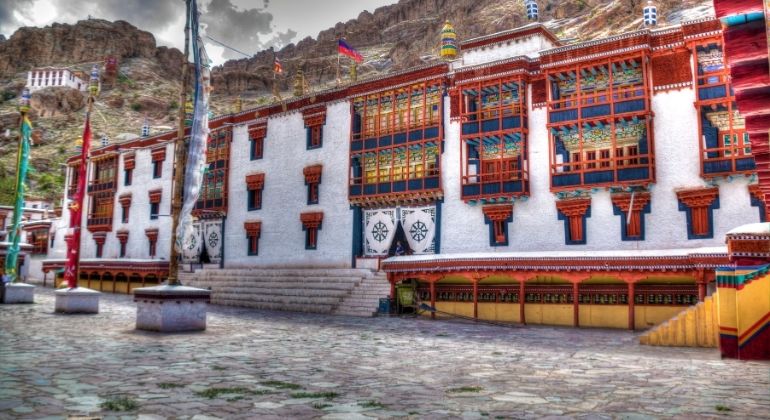
The largest and wealthiest monastery in Ladakh, Hemis is tucked into a gorge about 45 km from Leh, giving it a more secluded feel than some of the region's other gompas. Founded in the 17th century, it belongs to the Drukpa lineage of Tibetan Buddhism and houses an extensive collection of thangkas, statues, and stupas made of gold and silver. The monastery is best known for the annual Hemis Festival, held in honour of Guru Padmasambhava, featuring masked Cham dances performed by monks in elaborate costumes.
Hanle
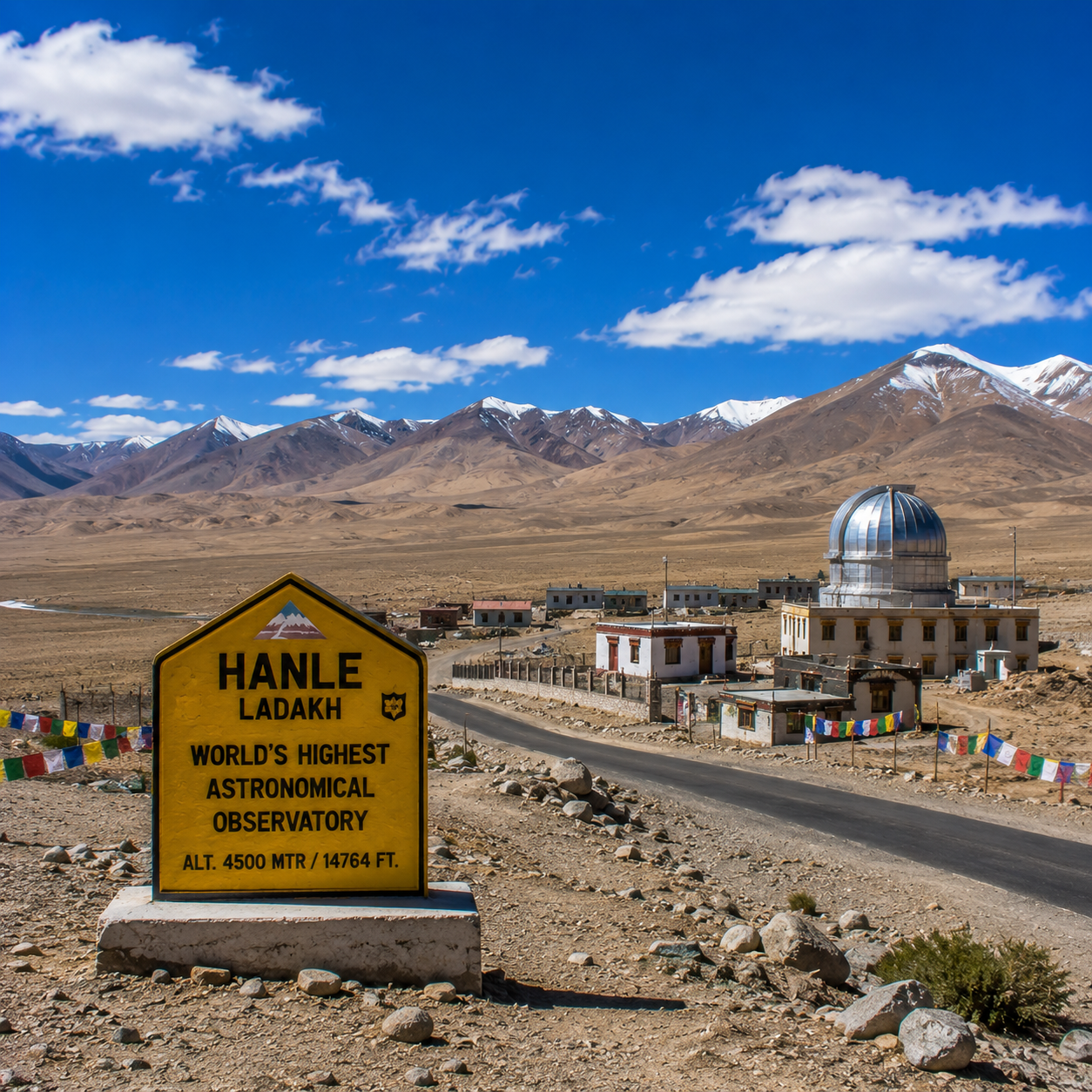
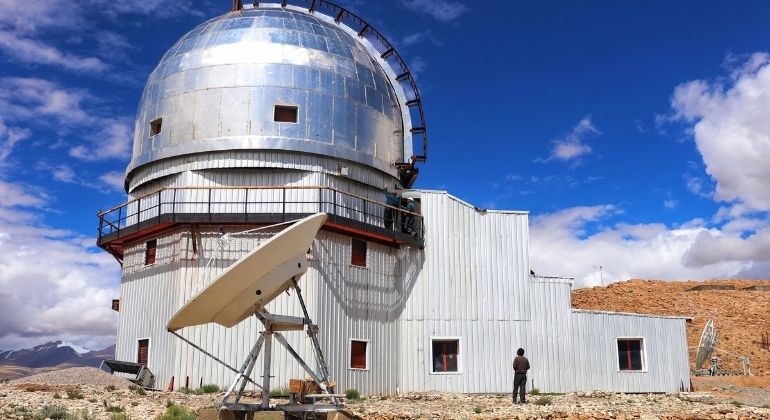
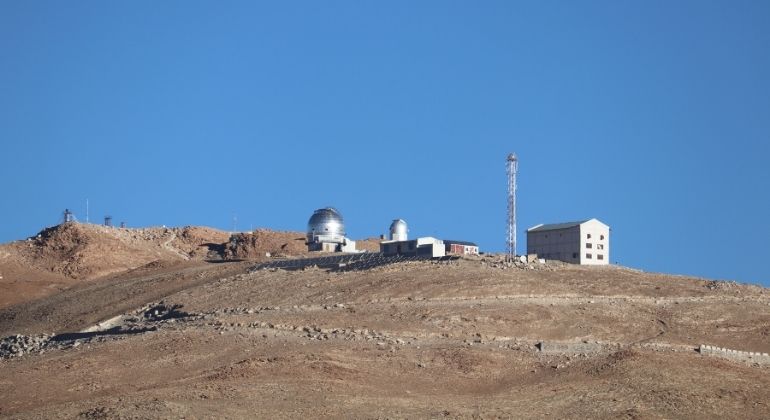
One of the most remote settlements in Ladakh, Hanle sits close to the Indo-Tibetan border and is known for having some of the darkest night skies in India — a reason it now hosts the Indian Astronomical Observatory, among the highest optical telescopes in the world. The village itself is home to a centuries-old monastery and a scattering of traditional homes set against a stark, high-altitude landscape. Hanle's isolation and clear skies have made it an increasingly popular stop for stargazing and astro-tourism.
Alpine Lake
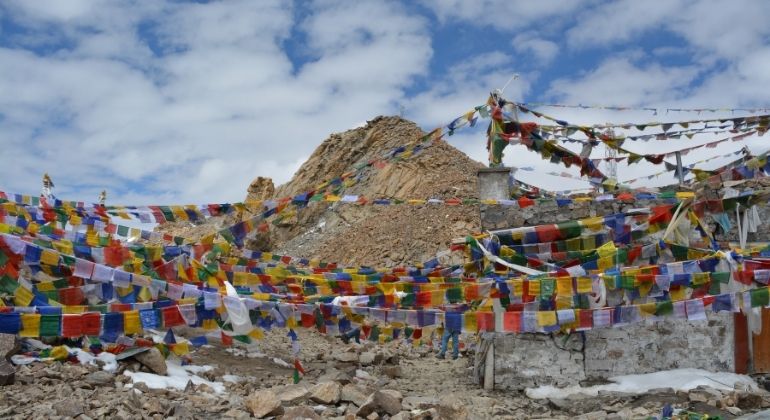
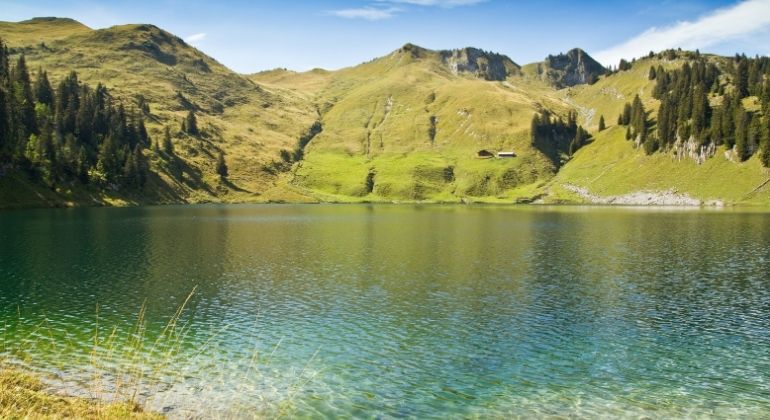
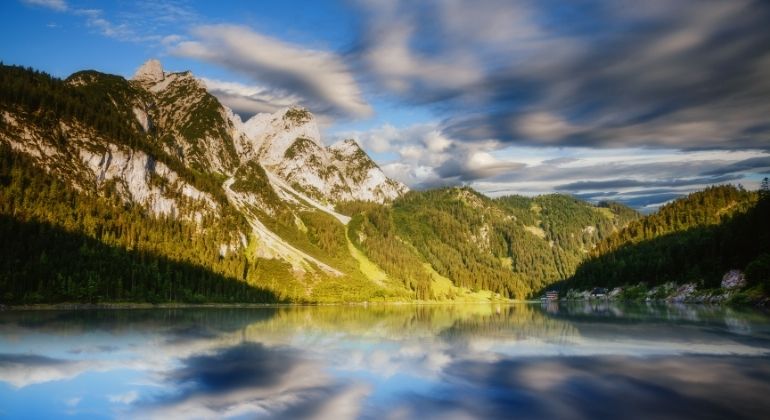
Ladakh's high-altitude lakes — set well above 13,000 feet amid barren mountain terrain — are among the region's most memorable sights. Fed by glacial melt, their waters often take on striking shades of blue and turquoise that shift through the day. Prayer flags are commonly seen strung along the shoreline, adding colour against the otherwise stark landscape. These lakes are typically reached as part of longer Ladakh circuits, rewarding the journey with some of the most dramatic scenery in the region.
Magnetic Hill
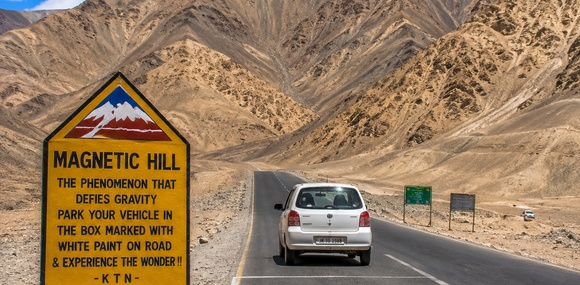
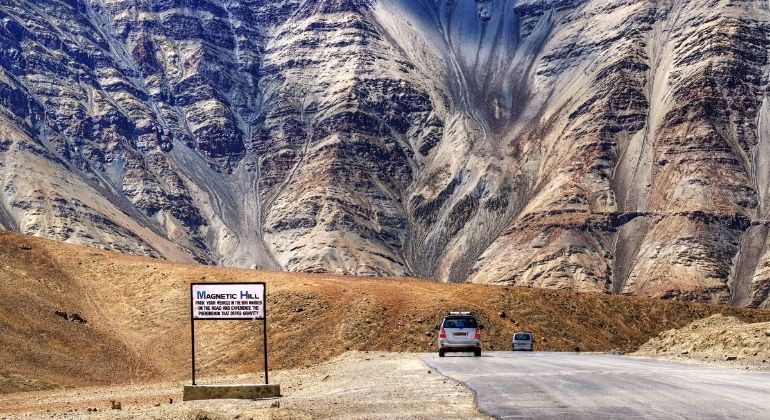
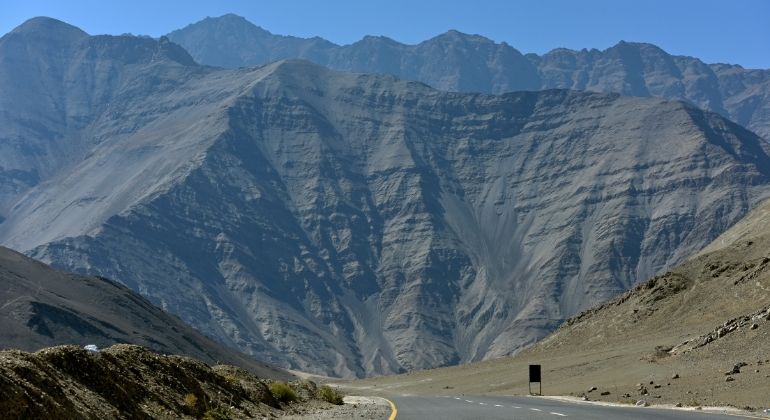
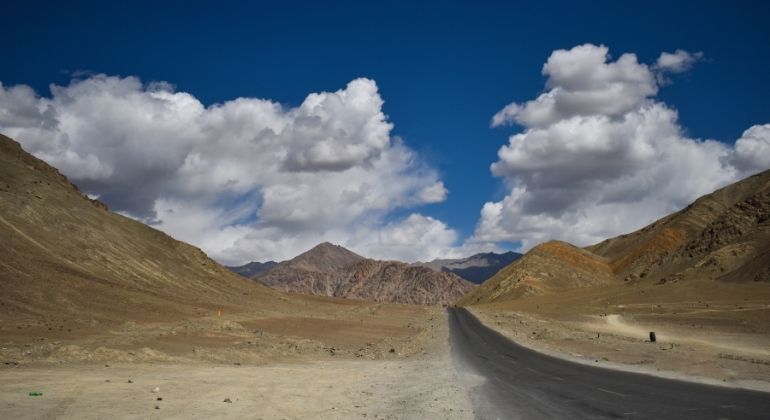
Located along the Leh–Kargil–Srinagar highway, Magnetic Hill is known for a peculiar optical illusion: vehicles parked in a marked area on the road appear to roll uphill on their own. While the phenomenon is generally attributed to the surrounding landscape's slope distorting visual perception, it remains one of the most talked-about stops for road trippers passing through the region. A signboard at the site marks the exact spot where the effect is best experienced.